How Earthmoving Supports Large-Scale Civil and Infrastructure Projects
Earthmoving in Rockhampton and across Central Queensland is the foundation on which every major civil and infrastructure project is built — quite literally. Before a road can be laid, a subdivision developed, a drainage system installed or a utility corridor established, the ground has to be prepared to engineering specifications. That preparation is the work of experienced earthmoving contractors, and the quality of that work determines how efficiently everything that follows can proceed. This article examines the role earthmoving plays in large-scale civil delivery, from early planning through to final grading, and why the choice of earthmoving contractor has a direct bearing on project outcomes.
The Foundation Role of Bulk Excavation
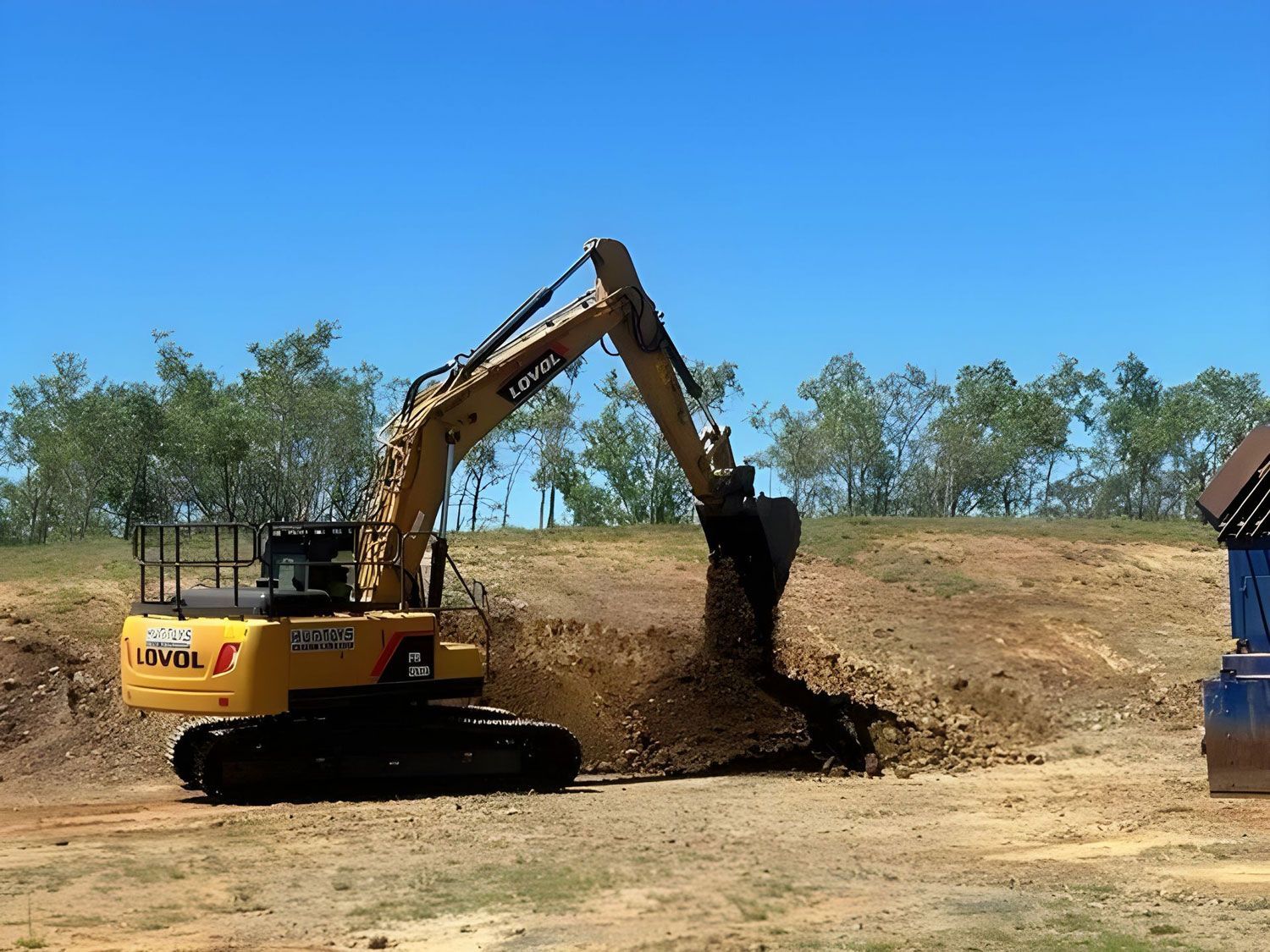
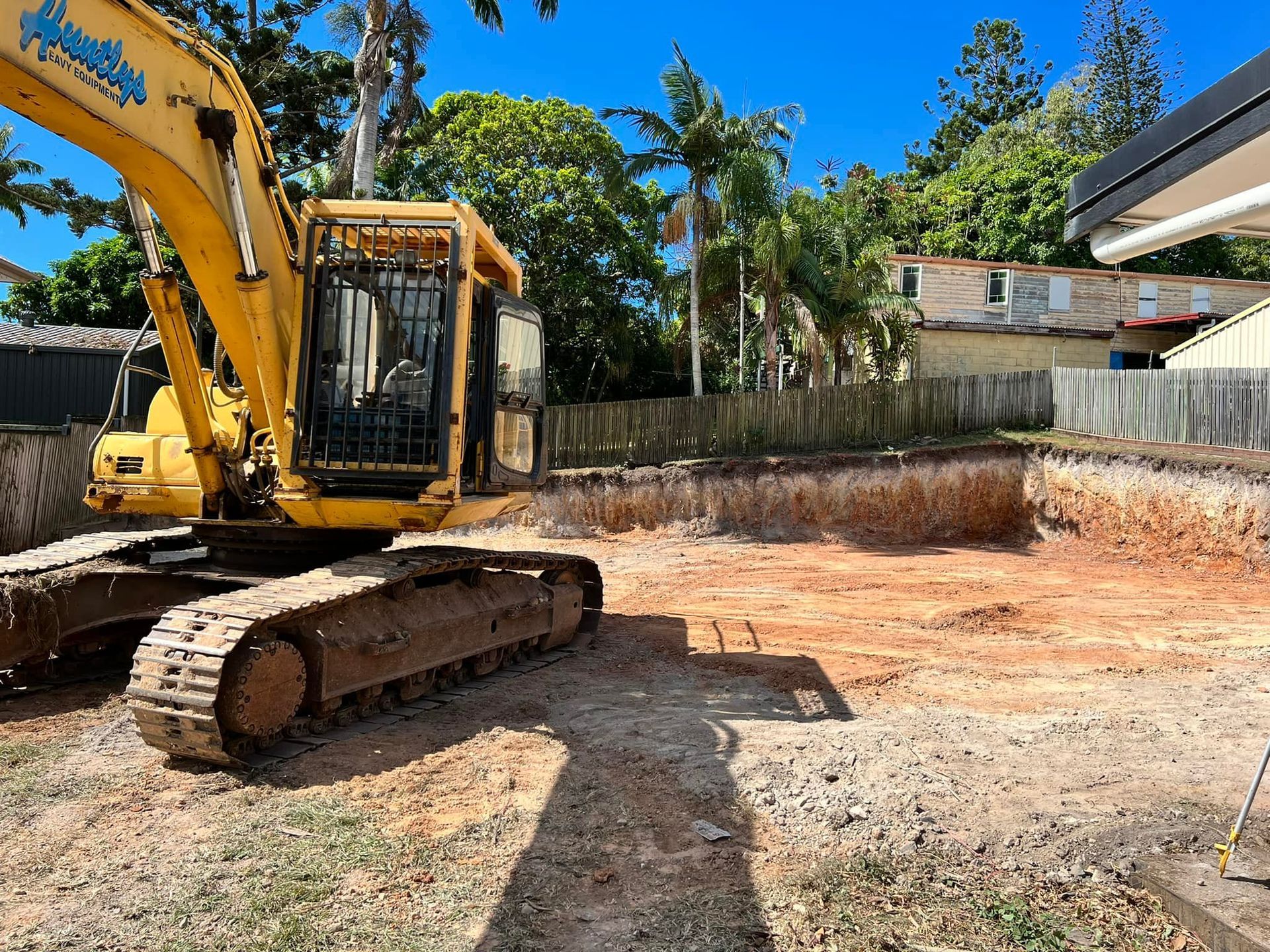
Every significant civil project begins with earth. Bulk excavation is the large-scale removal of soil, rock and material to bring a site to the levels required by the engineering design. On road construction projects, this means cutting through existing topography to achieve the design profile. On subdivision developments, it means creating building pads, road reserves and drainage corridors at consistent levels across the whole site.
The volume of material involved in bulk excavation on infrastructure projects is substantial. Underestimating the scope, selecting equipment that is undersized for the application or failing to manage material handling logistics can create bottlenecks that ripple through the entire project programme. Experienced bulk excavation contractors plan material flows from the outset — where cut material goes, whether it can be reused as fill elsewhere on site, and how haulage routes will be managed to avoid conflict with other site activities.
Site Cut and Fill: Balancing the Earthworks Budget
Site cut and fill services are central to the economics of any large civil project. Cut and fill involves excavating material from high areas of a site and using it to build up low areas, minimising the need to import or export material and reducing the overall earthworks cost. Achieving a balanced cut and fill outcome requires accurate survey data, careful planning and operators who can execute to tight tolerances.
On subdivision projects, cut and fill earthworks establish the levels for future lots, roads and services corridors. On road construction earthworks, the same principles apply across the full horizontal alignment — filling embankments, cutting through ridges and managing material balance across sections. A civil works subcontractor who understands how to optimise cut and fill across a project, rather than simply excavating to instruction, delivers measurable cost and time savings.
Road Construction Earthworks and Pavement Preparation
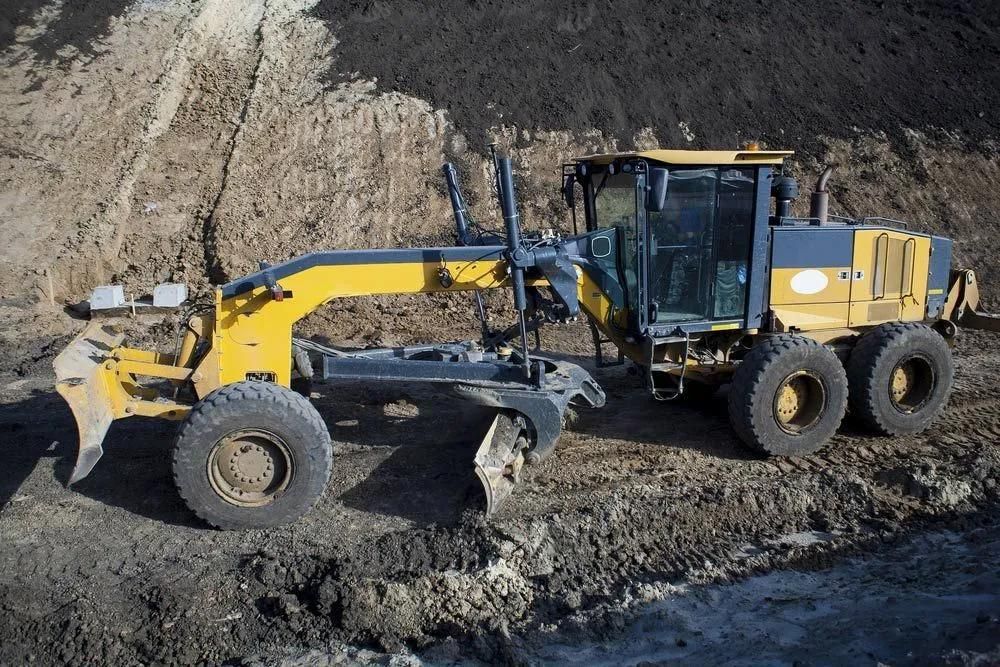
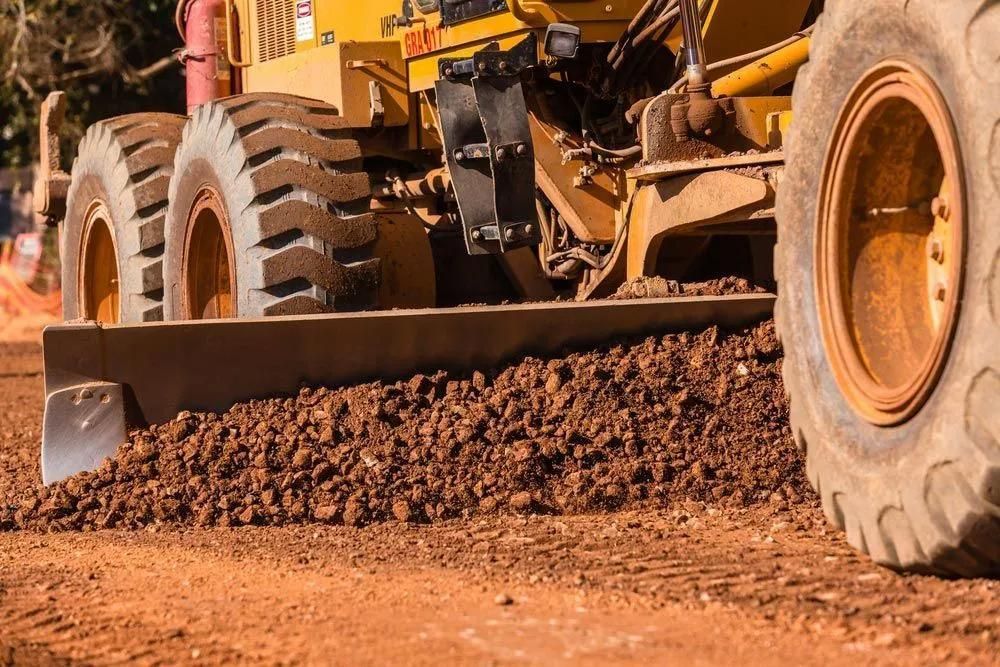
Road construction earthworks extend well beyond initial bulk excavation. Once the design profile is achieved, the pavement formation requires precise grading and compaction to create a stable subgrade capable of supporting the pavement layers and the loads they will carry. Grading and levelling contractors working on road projects need to achieve tight tolerance outcomes — typically within a few millimetres of design levels — to ensure pavement layers are applied consistently and the finished road performs as engineered.
Infrastructure earthmoving in Queensland road projects also involves managing subgrade conditions, which can vary significantly across a site depending on soil type, moisture content and underlying geology. Experienced operators understand how to adjust their approach based on what they encounter, and well-maintained machinery ensures that graders, dozers and compactors are performing to specification rather than introducing variability into the process.
Excavation and Haulage Services for Utility and Drainage Infrastructure
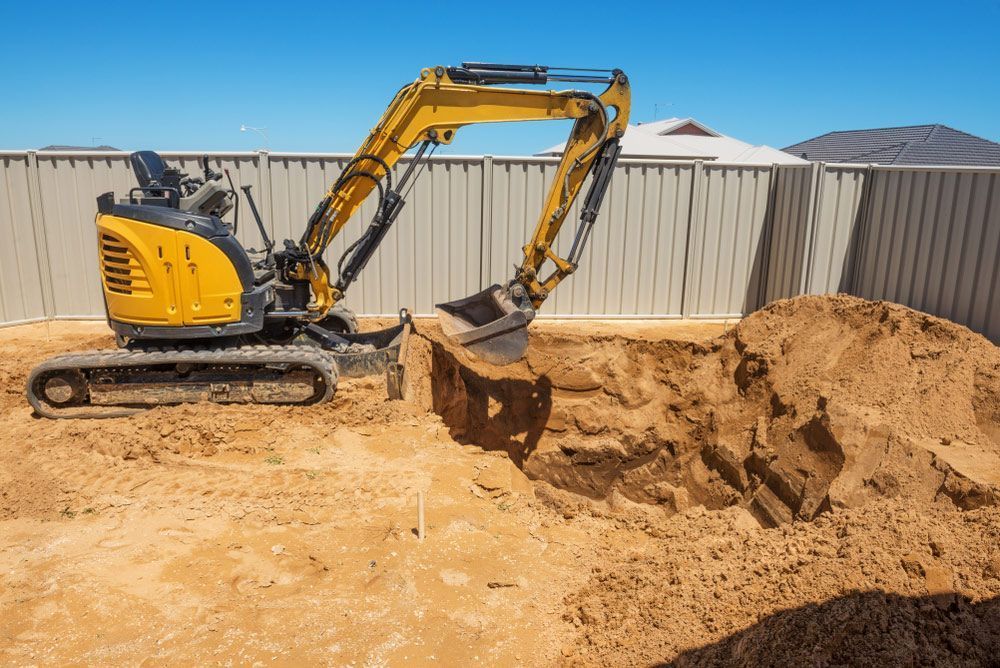
Civil construction earthworks in Rockhampton regularly involves trenching and excavation for drainage systems, stormwater infrastructure, water and sewer mains, and utility corridors. These activities require precision in both depth and alignment, and they need to be sequenced carefully relative to other site activities to avoid double-handling and rework.
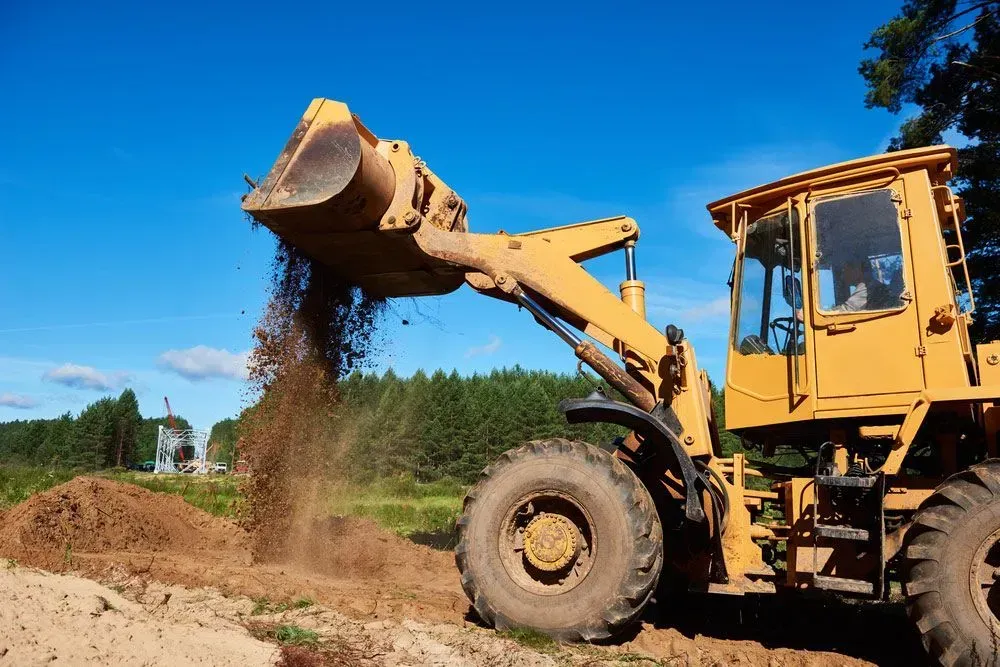
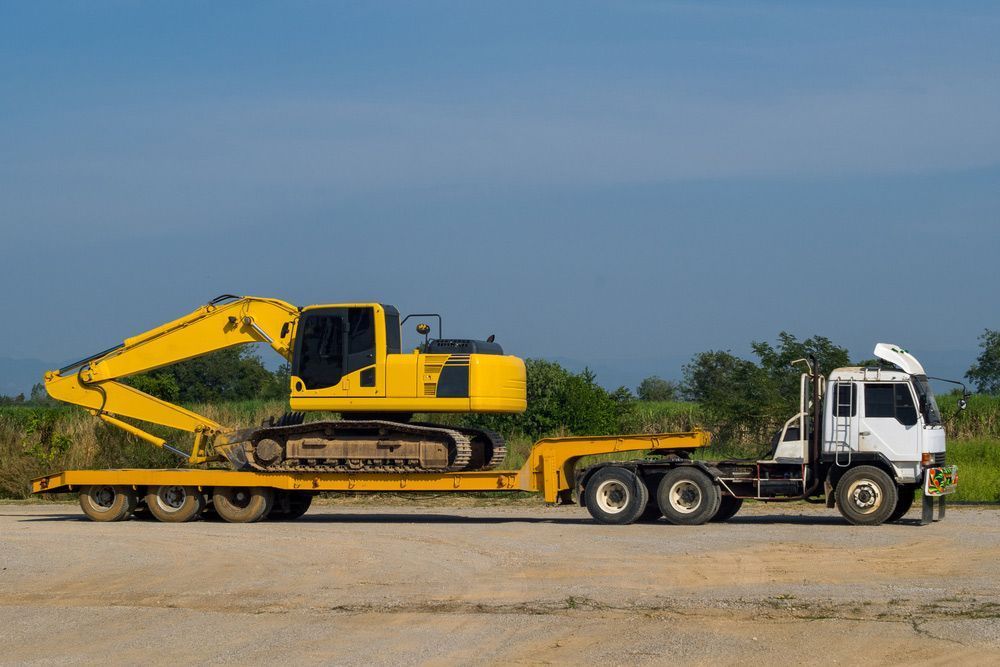
Excavation and haulage services that combine digging capability with material transport in a single contractor arrangement simplify logistics and reduce coordination risk. Where excavated material from trenching can be managed within a broader bulk earthworks programme rather than treated as a separate waste stream, project costs and timelines both benefit. Civil contractors who can offer integrated excavation and haulage under one mobilisation are a genuine operational advantage on complex sites.
Earthmoving for Subdivisions: Staging and Sequencing
Earthmoving for subdivisions presents a distinct set of challenges compared to linear infrastructure projects. A subdivision development typically involves multiple stages, each with its own earthworks scope and programme, delivered in sequence to allow sales, construction and occupancy to proceed progressively across the site.
Earthmoving contractors working on subdivision projects need to understand staging requirements and sequence their work accordingly. Bulk earthworks across the whole site may need to be completed before individual lot preparation can begin. Drainage infrastructure may need to be established before fill is placed. Road reserves need to be graded and compacted to allow construction traffic to access the site without causing subgrade damage that would require rectification before final pavement.
Early engagement of a capable earthmoving contractor during the planning phase of a subdivision allows these sequencing decisions to be built into the programme from the outset, reducing the risk of delays and rework as the project progresses.
The Role of Experienced Operators and Well-Maintained Machinery
On large civil and infrastructure projects, the quality of the earthmoving outcome is determined by two factors above all others: the skill of the operators and the condition of the machinery. Engineering specifications for civil earthworks are precise, and meeting those specifications consistently across large volumes of work requires operators who understand what the design is asking for and how to achieve it with the machines they are using.
For project managers and civil contractors in the region, heavy machinery hire in Rockhampton from a contractor with maintained, well-serviced equipment delivers consistent output and programme certainty. Equipment that is regularly serviced and operating to manufacturer specifications produces reliable results. Machinery that is poorly maintained introduces variability — in cutting accuracy, in compaction results, in cycle times — that accumulates across a large earthworks programme and can compromise the engineering outcome as well as the project timeline.
For project managers and civil contractors scoping earthmoving capability, the maintenance standards and operator experience of a potential subcontractor are as important as the list of equipment they can mobilise.
Early Planning as a Risk Management Tool
One of the most consistent sources of cost blowouts and programme delays in civil and infrastructure projects is inadequate earthworks planning at the front end. When earthworks scope, sequencing, material management and interface with other trades are not resolved during project planning, the consequences typically emerge during construction — in the form of unexpected material imports, rework caused by poor sequencing, and delays that compress later programme activities.
Engaging earthmoving contractors in Rockhampton during the planning phase, rather than once construction is ready to start, gives access to practical knowledge about what the earthworks scope actually involves. Experienced contractors can identify potential issues with the design, propose more efficient sequencing approaches and provide realistic programme inputs. The cost of that early engagement is a fraction of the cost of resolving problems on a live site, and it is one of the strongest arguments for scoping earthmoving in Rockhampton thoroughly before construction begins.
Talk to Huntlys Heavy Equipment About Your Civil Project
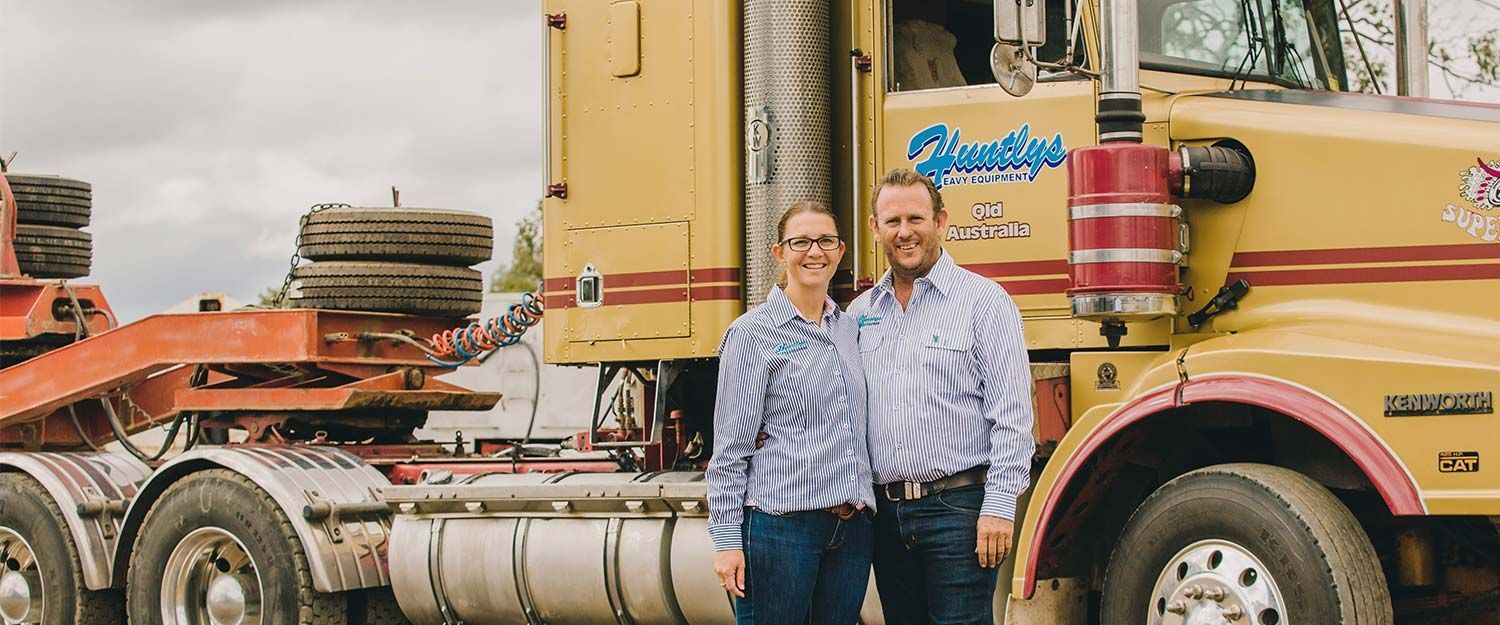
Huntlys Heavy Equipment provides civil construction earthworks, bulk excavation, road construction earthworks, cut and fill services, grading and haulage across Rockhampton, the Central Highlands and broader Central Queensland. With a well-maintained fleet of excavators, dozers, graders and tipper trucks and experienced operators across all earthmoving disciplines, the team is available to discuss your project scope and provide a detailed quote. Get in touch today to find out more about earthmoving in Rockhampton and how Huntlys can support your next civil or infrastructure project.