Efficient Solutions For Heavy Equipment: Transport Of Machinery With Low Loader Transport

January 21, 2025

Transporting heavy machinery requires precision, safety, and the right equipment to ensure seamless movement. Whether you need to relocate construction vehicles, agricultural equipment, or industrial machinery, low-loader transport is one of the most efficient methods available. Designed to handle oversized and heavy loads, low-loaders provide a reliable solution for businesses requiring machinery transport. In this blog, we explore the advantages of low-loader transport, the process involved, and why choosing the right service provider matters.

Why Choose Low Loader Transport for Machinery?

Low loaders are specialised trailers designed to carry heavy and oversized equipment that standard transport trucks cannot handle. Their lowered deck allows for easy loading and unloading, making them ideal for transporting heavy-duty machinery.

Key Benefits of Low Loader Transport:

  • Ac commodates Heavy Loads – Low loaders can carry large machinery, including excavators, bulldozers, and cranes, without compromising stability.
  • Easier Loading & Unloading – The lowered deck reduces the need for additional lifting equipment, saving time and effort.
  • Increased Safety – Secure tie-down points and a lower centre of gravity help stabilise machinery during transit.
  • Compliance with Transport Regulations – Designed for heavy loads, low loaders meet Australian transport standards, ensuring safe and legal transportation.

If you're moving large-scale equipment, using low-loader transport in Rockhampton ensures that your machinery reaches its destination safely and efficiently.

The Process of Machinery Transport with Low Loaders

Ensuring smooth machinery transport requires careful planning and execution. Here’s how the process works:

Assessing Machinery Transport Needs

Every transport job starts with a detailed assessment to determine:
  • The weight and dimensions of the machinery.
  • Any special handling requirements (e.g., hydraulic attachments, delicate components).
  • Transport routes and potential road restrictions.

A professional machinery transport service will evaluate these factors to select the right low loader for the job.

Preparing the Machinery for Transport

Before loading, machinery must be secured and prepared for transport. This includes:
  • Removing loose parts to prevent damage.
  • Securing components like booms or arms to avoid movement.
  • Checking fluid levels and securing any leaks.

Proper preparation minimises the risk of damage and ensures safe handling.

Loading the Machinery onto the Low Loader

Using ramps or hydraulic systems, the machinery is carefully driven or lifted onto the low loader. Secure tie-down points and load restraints are then used to keep the equipment stable during transit.

Transporting the Machinery

During transport, professional operators follow strict safety protocols, including:
  • Route planning to avoid low-clearance bridges or weight-restricted roads.
  • Escort vehicles for oversized loads, ensuring compliance with regulations.
  • Regular inspections to monitor load security.

Unloading at the Destination

Once the machinery reaches its destination, it is safely unloaded using the same careful procedures applied during loading. A thorough final check ensures the equipment is in perfect condition.
By following these steps, low loader transport ensures machinery arrives safely and on time.

When Should You Use Low Loader Transport?

Not all heavy equipment transport requires a low loader, but it’s the best choice when:
  • Transporting oversized or overweight machinery that exceeds legal load limits for standard trucks.
  • Moving machinery with specialised requirements, such as hydraulic lifting or oversized components.
  • Relocating equipment over long distances requires stable and secure transport.
  • Meeting strict project deadlines, where efficient loading and unloading can reduce downtime.

For businesses requiring transport of machinery in Rockhampton, low loaders offer an efficient, safe, and cost-effective solution.

Moving Heavy Equipment? Choose Our Professional Low-Loader Services!

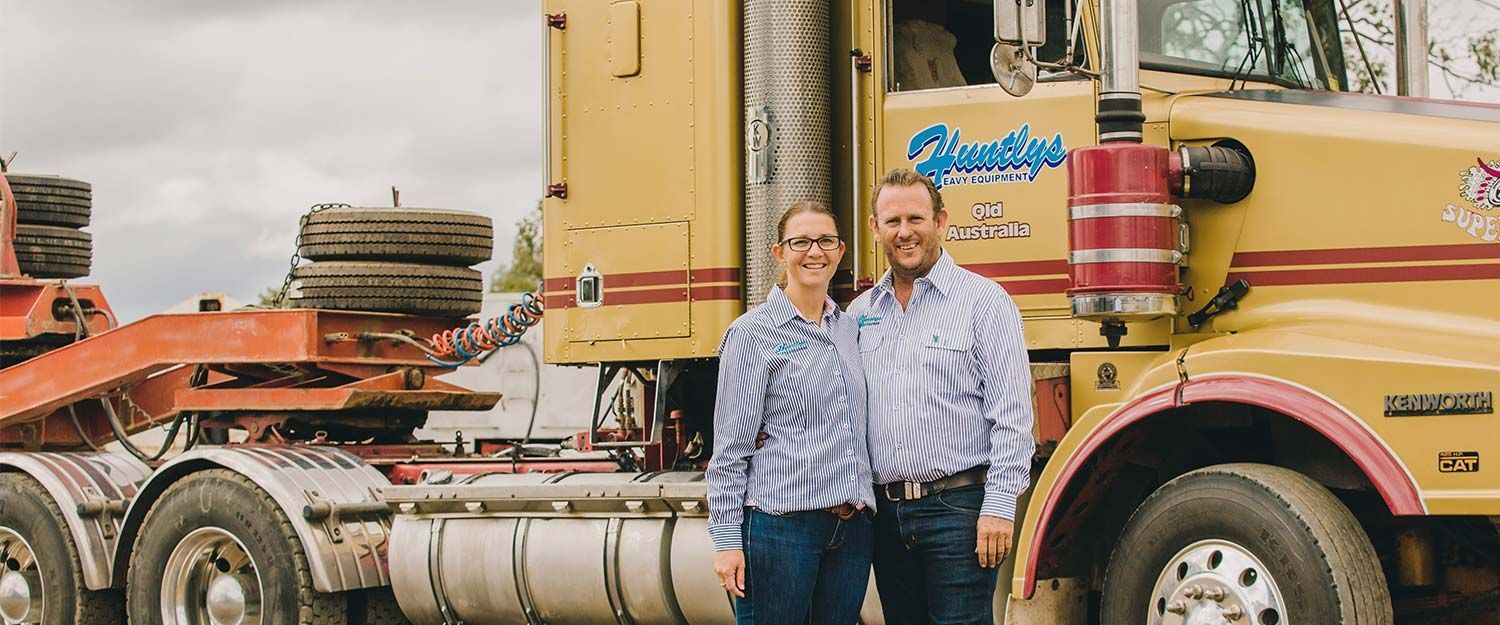
 At Huntlys Heavy Equipment , we provide machinery transport in Rockhampton, offering low-loader transport solutions tailored to your needs. Whether you're relocating earthmoving equipment, agricultural machinery, or industrial assets, our expert team ensures a safe, compliant, and efficient transport process. Visit our website to learn more about our low-loader transport services in Rockhampton, or contact us today to discuss your machinery transport needs.

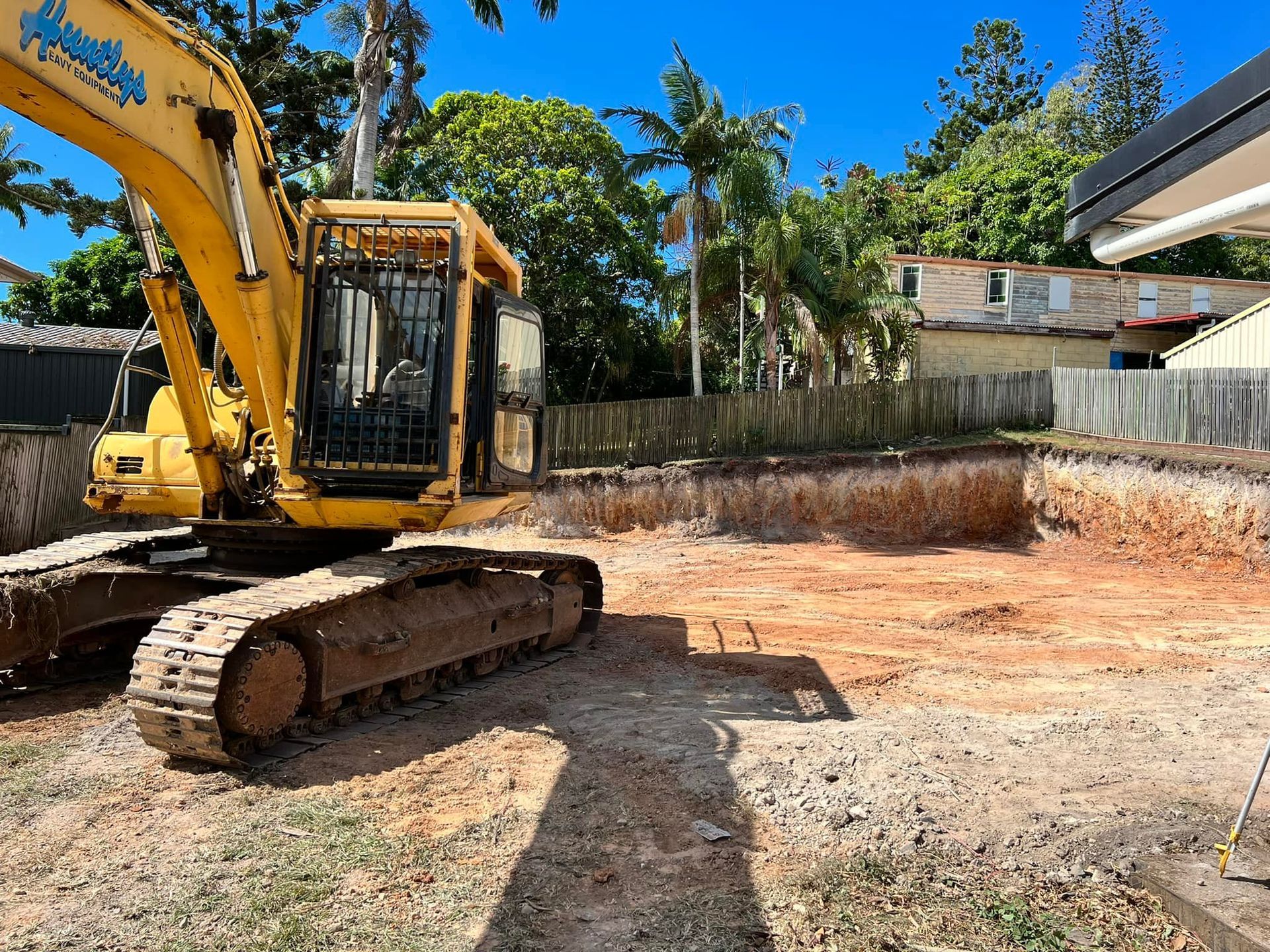
Excavator On The Field Near Houses
By Huntlys Heavy Equipment February 18, 2026
Plan your project with earthmoving in Rockhampton. Learn key steps, approvals and site preparation tips for smooth results. Read the guide today.
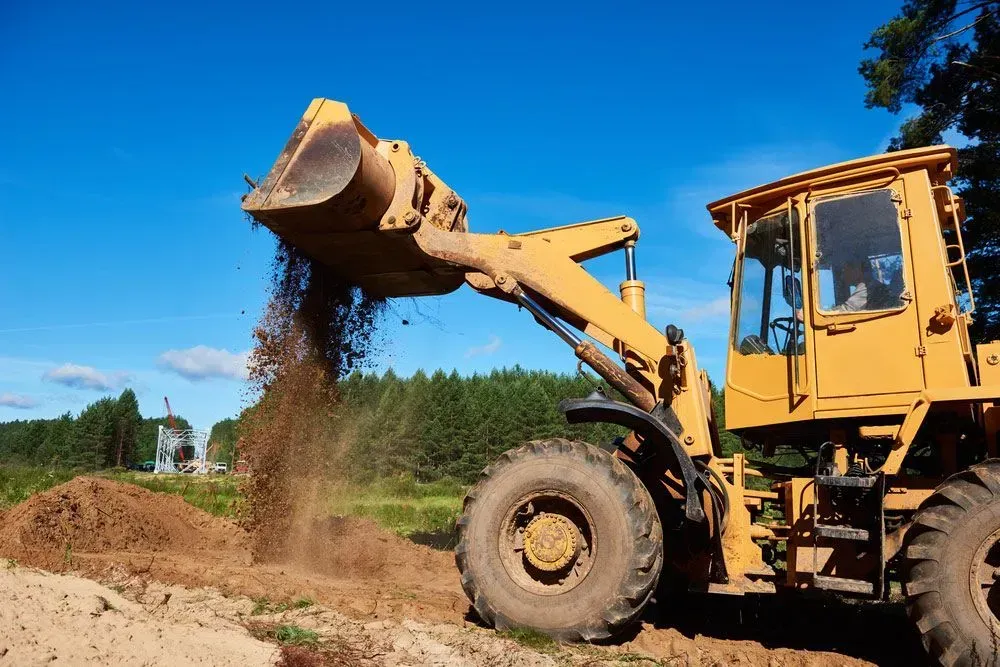
Yellow Front-end Loader Dumping Dirt on a Sunny Day — Huntlys Heavy Equipment in Gracemere, QLD
January 6, 2026
Earthmoving is one of the most regulated stages of any construction, civil, mining or agricultural project. While it may appear to be a straightforward process of clearing, excavating or levelling land, earthworks have far-reaching impacts on safety, drainage, environmental stability and surrounding infrastructure. In Rockhampton, strict permit and compliance requirements apply to ensure these impacts are properly managed. For developers, builders and project managers, understanding local earthmoving regulations is essential to avoiding delays, penalties and costly rework. This guide outlines the key permits, approvals and compliance considerations involved during earthmoving in Rockhampton, and explains why engaging experienced local contractors is the most reliable way to keep projects on track. Why Earthmoving Is Heavily Regulated Earthmoving changes the natural landscape and can affect water flow, soil stability and nearby structures. Poorly managed excavation or filling works can lead to erosion, flooding, subsidence or damage to public assets such as roads and underground services. Regulations exist to: Protect workers and the public from excavation hazards Prevent environmental damage and sediment runoff Maintain safe drainage and flood management Safeguard existing infrastructure and utilities Ensure developments comply with planning controls Because earthworks form the foundation of a project, compliance at this stage directly impacts everything that follows. Council Approvals and Development Permits In Rockhampton, most earthmoving works require council approval, particularly when associated with construction or land development. The level of approval depends on the scale, location and purpose of the works. Common approvals include: Development approvals for site preparation Operational works permits for excavation and filling Earthworks permits for cut-and-fill operations Driveway and access approvals where machinery interacts with roads Council oversight ensures works align with zoning, land use planning and infrastructure protection requirements. Operational Works and Cut-and-Fill Compliance Operational works approvals are often required when earthmoving alters land contours or involves importing or exporting material. These approvals typically assess how works will affect drainage, neighbouring properties and site stability. Compliance requirements may include: Maximum allowable cut or fill depths Compaction standards Finished ground level tolerances Engineering certification Failure to meet these standards can result in rectification orders or refusal of further construction approvals. Environmental Protection and Sediment Control One of the most critical regulatory areas for earthmoving is environmental protection. Exposed soil can quickly wash into waterways during rainfall, especially in Queensland’s climate. Projects must implement erosion and sediment control measures such as: Sediment fences and barriers Stabilised access points Temporary drainage controls Progressive site stabilisation Environmental non-compliance can attract significant fines and remediation costs, making this a priority area for all earthmoving services in Rockhampton. Workplace Health and Safety Requirements Earthmoving sites are classified as high-risk workplaces under Queensland legislation. Excavation collapse, machinery interaction and ground instability are major hazards. Key safety obligations include: Ensuring operators are appropriately licensed and trained Implementing safe excavation and trenching practices Establishing exclusion zones around machinery Conducting regular site risk assessments Professional contractors are responsible for maintaining safe systems of work and complying with all WHS obligations. Underground Services and Utility Protection Before excavation begins, all underground services must be identified and protected. Damage to utilities can result in serious safety incidents, service outages and legal liability. Compliance involves: Conducting Dial Before You Dig searches Verifying service locations onsite Using non-destructive digging methods near services Maintaining safe separation distances Experienced earthmoving contractors in Rockhampton understand how to manage service protection efficiently and safely. Traffic Management and Road Use Permits Earthmoving projects that involve heavy machinery accessing or crossing public roads often require traffic management approval. This is particularly relevant for civil and commercial developments. Requirements may include: Traffic management plans Temporary signage and barriers Approved access points and haul routes Traffic controls protect workers, road users and nearby properties while maintaining compliance with transport regulations. Mining and Agricultural Earthmoving Considerations Mining and agricultural earthworks often involve larger land areas and additional regulatory oversight. These projects may require compliance with land rehabilitation plans, biosecurity requirements and environmental monitoring. Key considerations include: Managing long-term land stability Protecting surrounding land uses Safe movement of large machinery Compliance with industry-specific standards Local expertise is essential when navigating these sector-specific requirements. The Risks of Non-Compliance Non-compliance with earthmoving permits and regulations can have serious consequences for projects and businesses. Risks include: Stop-work notices and project shutdowns Financial penalties and infringement notices Delays to construction schedules Increased remediation and rework costs Reputational damage and future approval difficulties In some cases, non-compliance can also expose directors and managers to legal liability. Why Local Experience Makes a Difference Earthmoving regulations are not applied uniformly across Queensland. Local council processes, soil conditions and drainage patterns vary significantly by region. Local contractors bring: Familiarity with Rockhampton Regional Council requirements Understanding of local soil types and flood behaviour Established relationships with regulators and engineers Faster, more efficient approval processes This local knowledge reduces compliance risk and helps projects progress smoothly. How Professional Contractors Streamline Compliance Engaging professional earthmoving services in Rockhampton ensures regulatory requirements are addressed from the earliest planning stages. Experienced contractors assist with: Interpreting permit and approval requirements Coordinating engineering and environmental documentation Implementing compliant site controls Managing inspections and reporting Rather than reacting to compliance issues, professional teams proactively prevent them. Planning Earthworks for Project Success Successful earthmoving projects balance efficiency with compliance. Early planning and professional oversight help prevent delays and cost overruns. Best practices include: Confirming permit requirements before mobilisation Conducting thorough site and soil assessments Implementing safety and environmental controls from day one Maintaining clear communication between stakeholders This structured approach protects timelines and budgets. Final Thoughts Earthmoving permits and regulations in Rockhampton are complex but essential. They protect people, property and the environment while ensuring developments proceed safely and sustainably. For construction, civil, mining and agricultural projects, working with experienced local professionals ensures earthmoving works in Rockhampton are completed efficiently, safely and in full compliance with regulatory requirements. Compliant Earthmoving Services in Rockhampton At Huntlys Heavy Equipment , our professional earthmoving services in Rockhampton are delivered with a strong focus on safety, regulatory compliance and operational efficiency. With extensive local experience, we support smooth approvals, responsible site management and reliable project delivery. If your project requires expert earthmoving backed by deep regulatory knowledge, contact Huntlys Heavy Equipment to discuss your requirements with confidence.
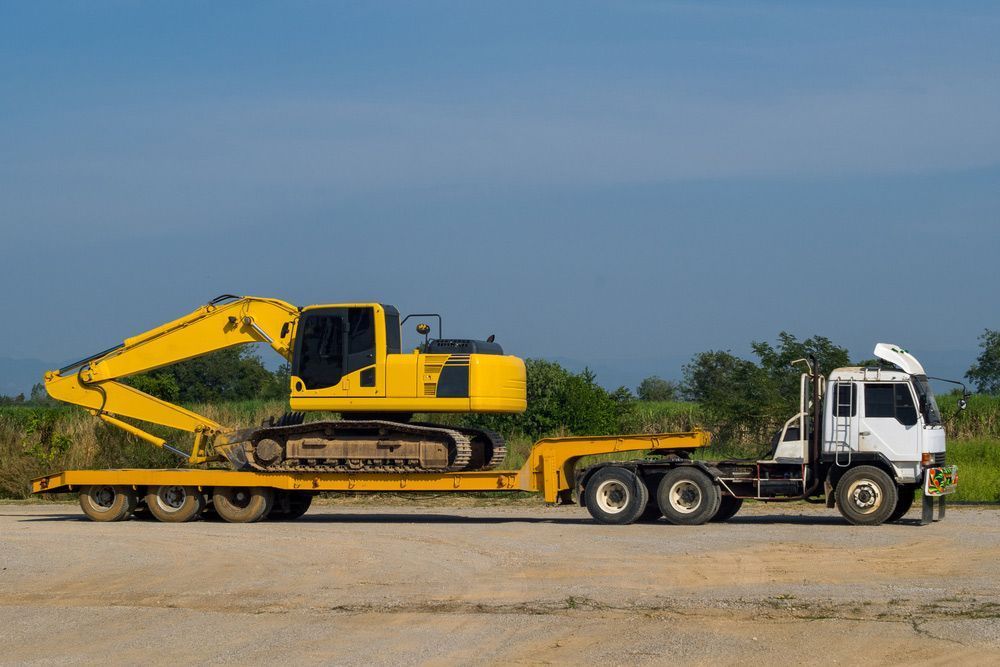
Yellow Excavator on a Flatbed Trailer Being Towed by a White Truck on a Dirt Road — Huntlys Heavy Equipment in Gracemere, QLD
December 9, 2025
Learn why low loader transport in Rockhampton offers safe, efficient, and reliable solutions for moving heavy equipment with ease. Read more today!
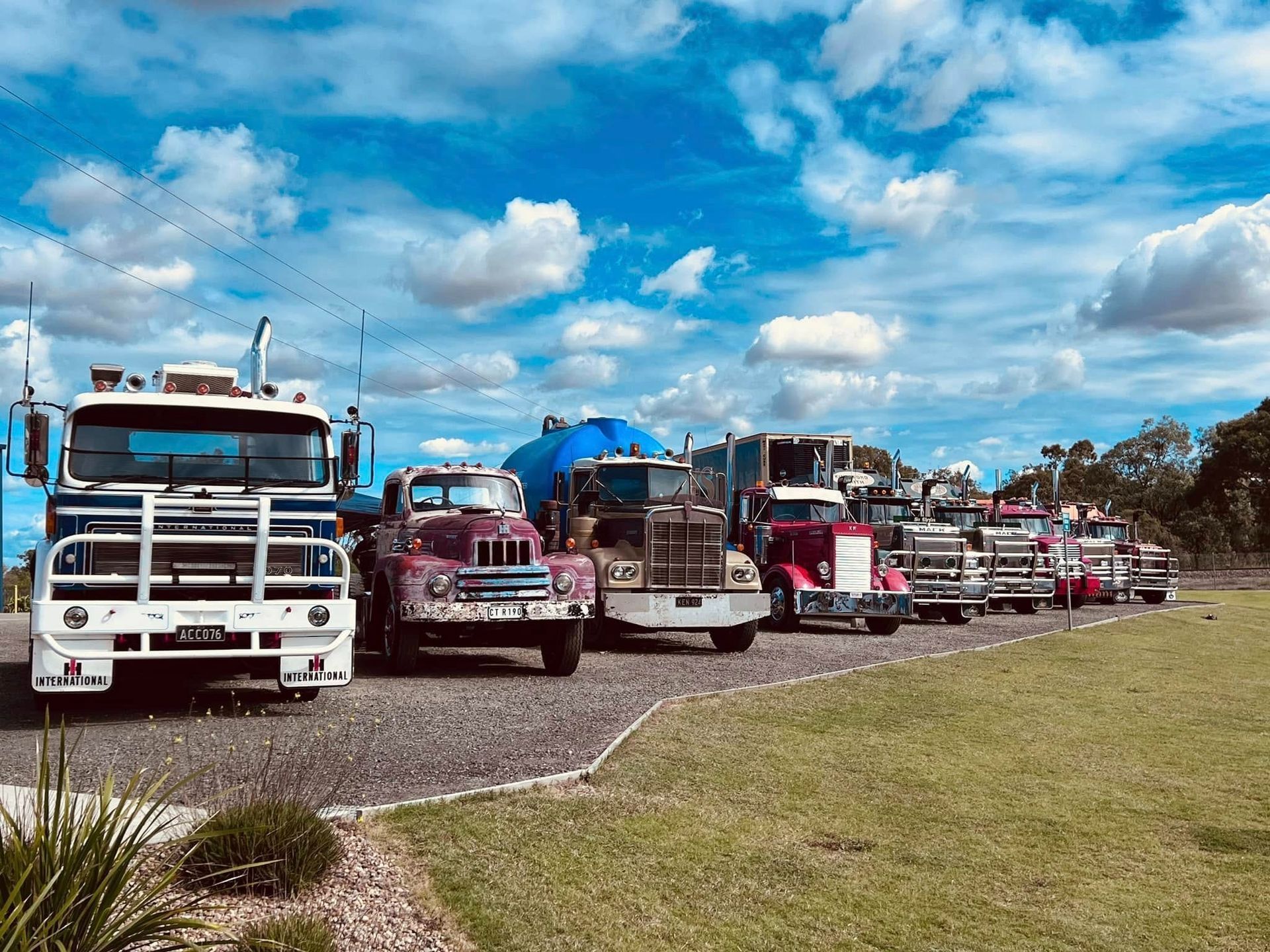
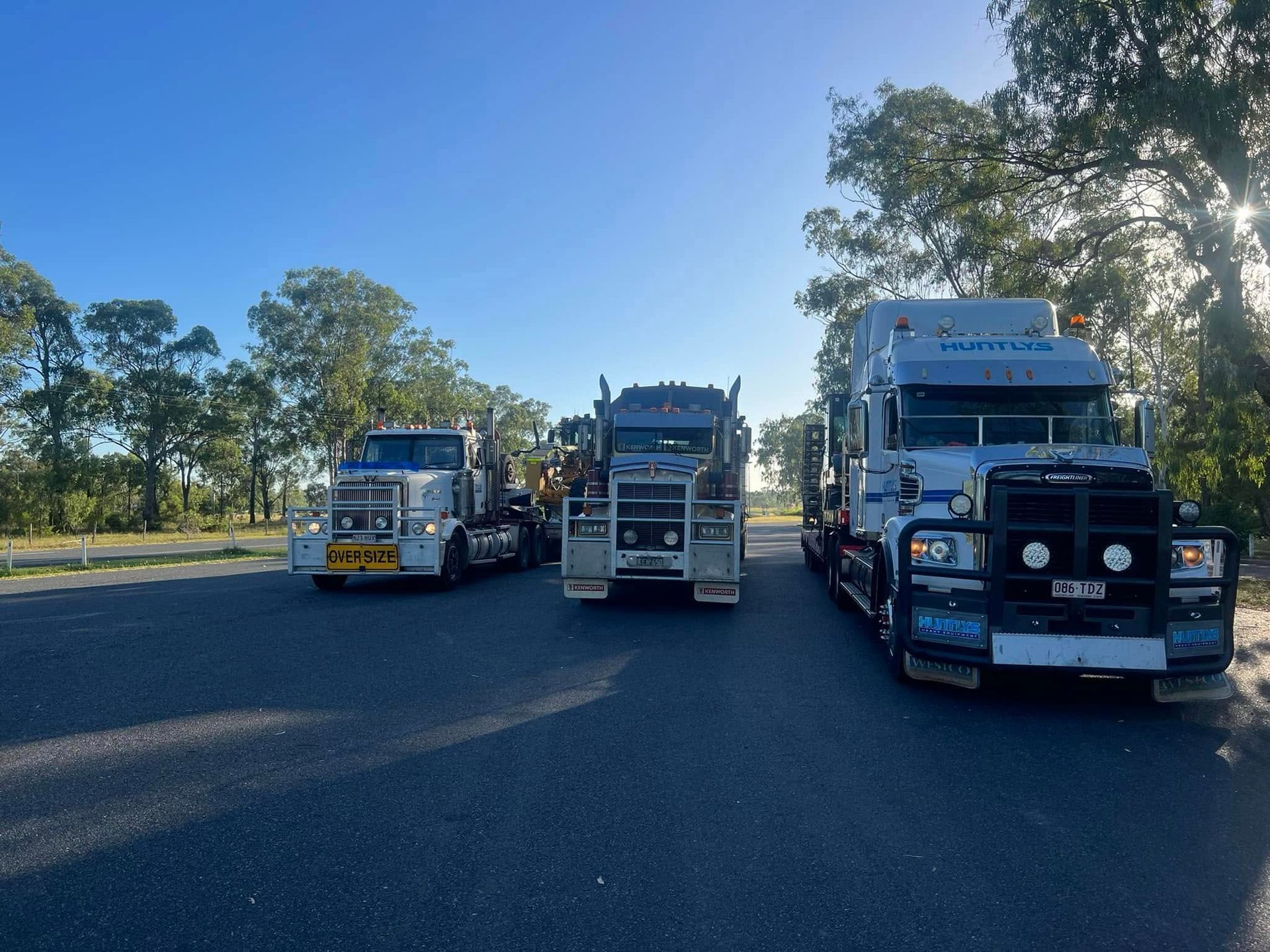
Line of Trucks Parked on Gravel, Under a Blue Sky With Clouds — Huntlys Heavy Equipment in Gracemere, QLD
November 3, 2025
Enhance efficiency with professional grader hire in Rockhampton. Achieve smooth, precise surfaces for your next project—book expert services today.
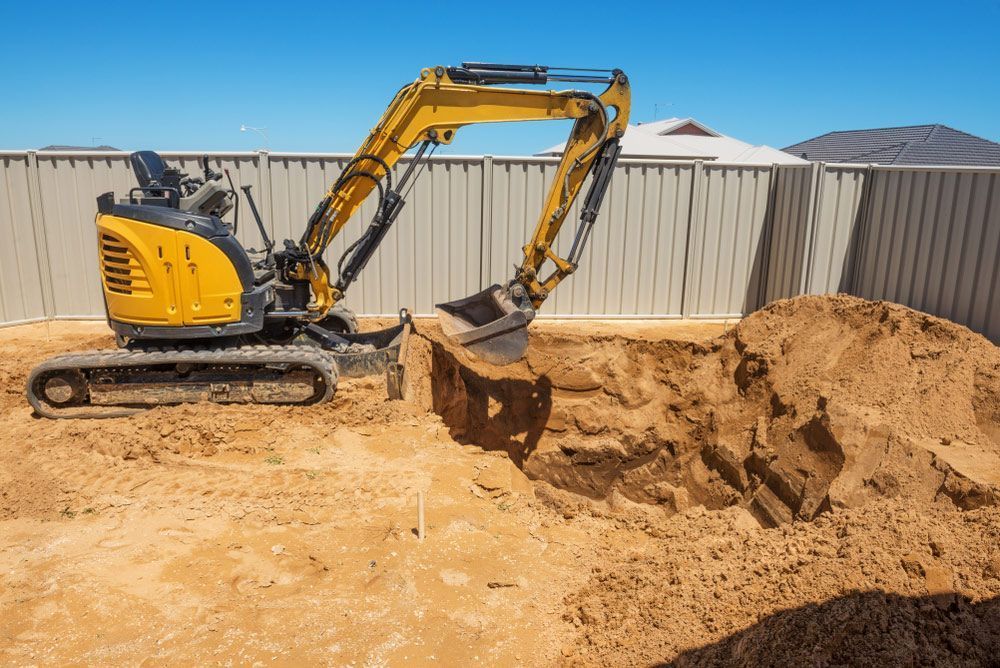
Yellow Excavator Digging a Hole in the Dirt Next to a Fence on a Sunny Day — Huntlys Heavy Equipment in Gracemere, QLD
September 8, 2025
When undertaking any construction project—whether a commercial development, residential subdivision, or large-scale infrastructure—the groundwork sets the tone for everything that follows. Excavation is one of the first major activities on site, and it plays a critical role in determining the long-term success, safety, and cost-effectiveness of a build. While cutting corners with cheaper or less experienced contractors may be tempting, investing in professional excavation is a smart move. It ensures that site preparation is done to a high standard, risks are minimised, and the project proceeds smoothly. Below are eight compelling reasons professional excavation is essential for your next construction project.
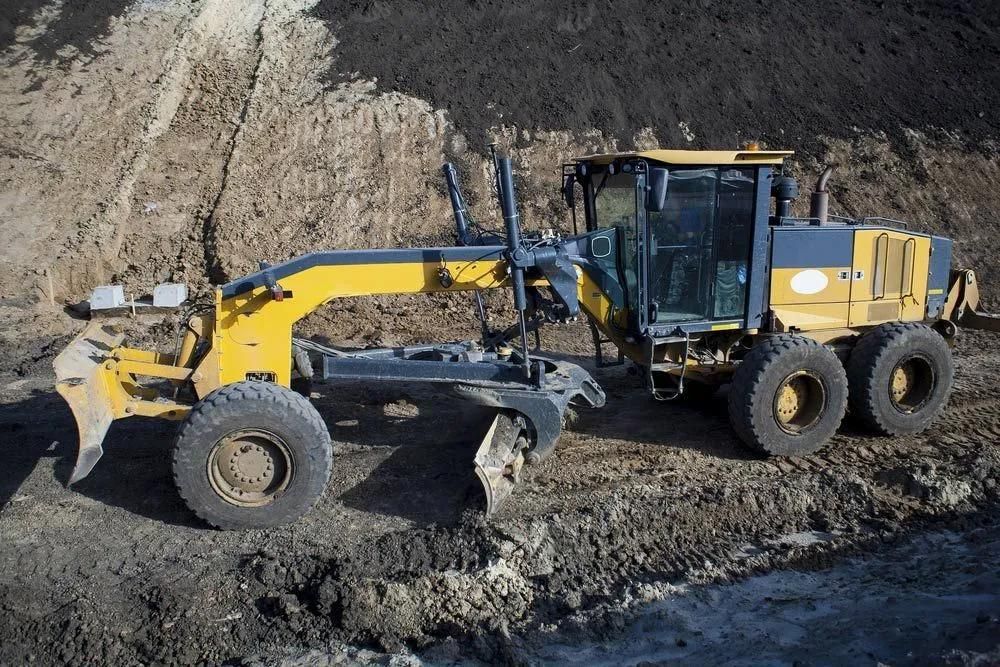
Yellow Road Grader Smoothing Dirt on a Construction Site — Huntlys Heavy Equipment in Gracemere, QLD
August 3, 2025
Understanding what types of graders are available are essential to knowing which is best for your upcoming project. In this blog, we discuss the different types.
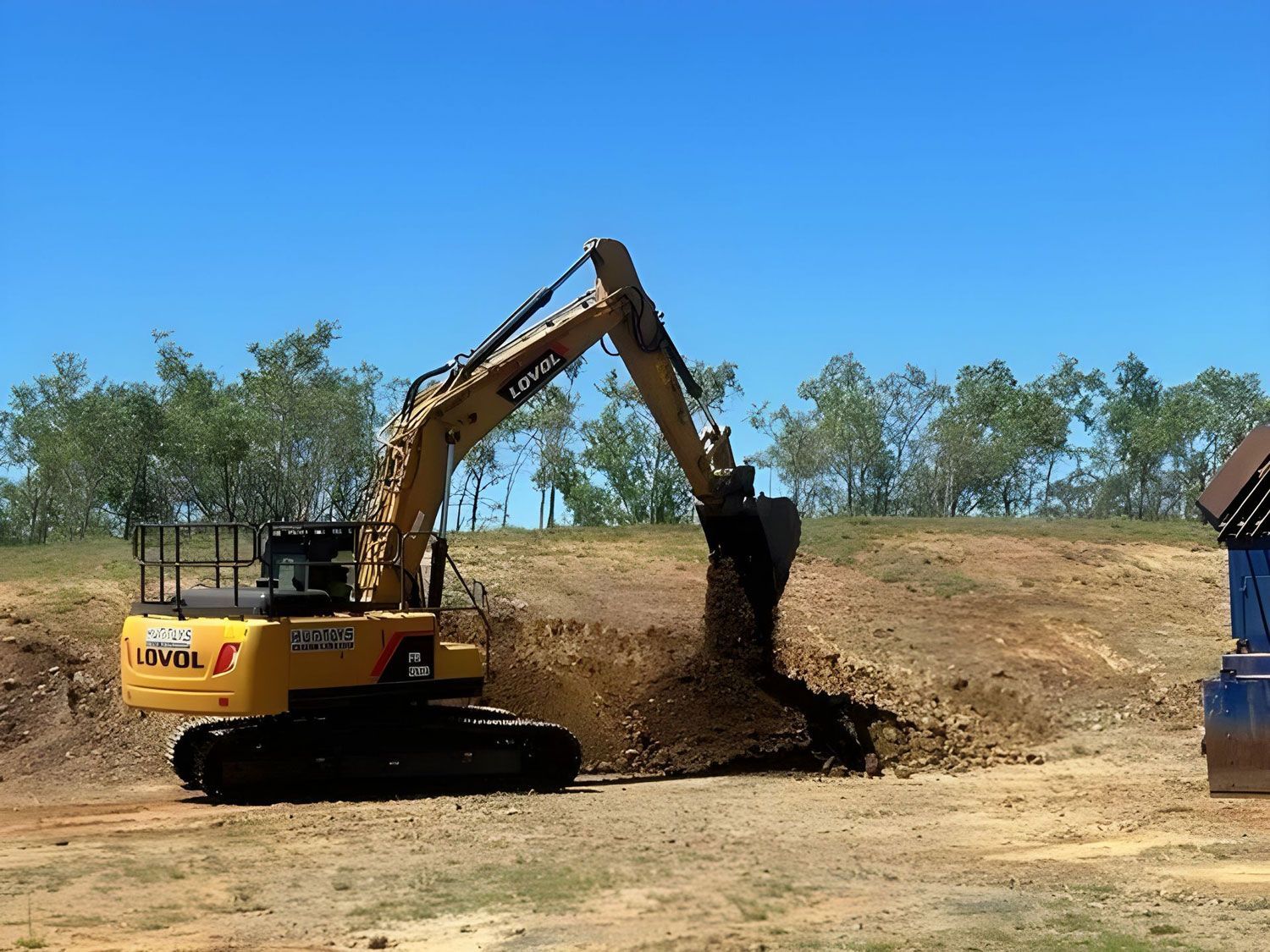
Yellow Excavator Dumping Soil in a Hilly, Outdoor Construction Site — Huntlys Heavy Equipment in Gracemere, QLD
July 24, 2025
Strong foundations start with excavation. Learn how proper digging enhances ground stability for large-scale builds. Read our full guide to get started!