Why Low Loader Transport Is Ideal For Heavy Equipment In Rockhampton
December 9, 2025
In Rockhampton, heavy machinery moves are part of daily life for construction crews, mining operators and agricultural businesses. One day you might need an excavator shifted to a civil job, the next a grader moved between sites or a harvester delivered before a seasonal window closes. The common thread is that these loads are big, valuable and hard to replace quickly if something goes wrong.
That’s why low loader transport has become the preferred method across Rockhampton industries. Low loaders are designed specifically for heavy plant, with a lower deck height, stronger stability and easier loading. Just as importantly, Rockhampton operators bring local route knowledge, permit awareness and site access experience that keeps deliveries smooth. This guide explains how low loader transport works in real Rockhampton conditions and why local expertise makes a measurable difference.
Low Loaders Solve the Height Problem That Stops Standard Trailers in Their Tracks
Rockhampton machinery moves often face clearance constraints that standard trailers simply can’t handle. Bridges, overhead lines and tight industrial corridors mean equipment height matters just as much as weight. Low loaders tackle this by running a deck closer to the road, lowering the overall transport height of the machinery.
That lower profile can turn a complicated detour into a direct route through Rockhampton, especially for tall gear like excavators with booms or high cab plant. It also reduces the need to partially dismantle machinery just to meet legal height limits. A low loader service will confirm dimensions early, select the correct trailer configuration and plan a compliant route that keeps clearance issues from becoming last-minute surprises.
When Your Equipment Weighs Tonnes, Stability Beats Speed Every Time
In Rockhampton, heavy equipment transport is rarely about moving fast. It’s about arriving safely with machinery in working condition. Low loaders improve stability by lowering the centre of gravity and spreading weight across multiple axles, which is vital for tall or uneven loads.
A Rockhampton transport crew supports stability through:
These steps aren’t optional extras in Rockhampton heavy haulage. They are what prevent load shift, vibration damage and roadside delays, all of which can cost a project time and money.
A Rockhampton transport crew supports stability through:
- Choosing axle layouts that match the machine’s weight and balance
- Securing loads to rated tie-down points with compliant chains
- Using mats, chocks and blocking to prevent movement
- Checking tension and alignment before departure and during transit
These steps aren’t optional extras in Rockhampton heavy haulage. They are what prevent load shift, vibration damage and roadside delays, all of which can cost a project time and money.
From Excavators to Harvesters, Low Loaders Suit a Wide Range of Heavy Plant
Rockhampton’s mix of industries means machinery transport needs to be flexible. Low loaders are popular because they suit a broad range of heavy plant without requiring a different transport method for every job.
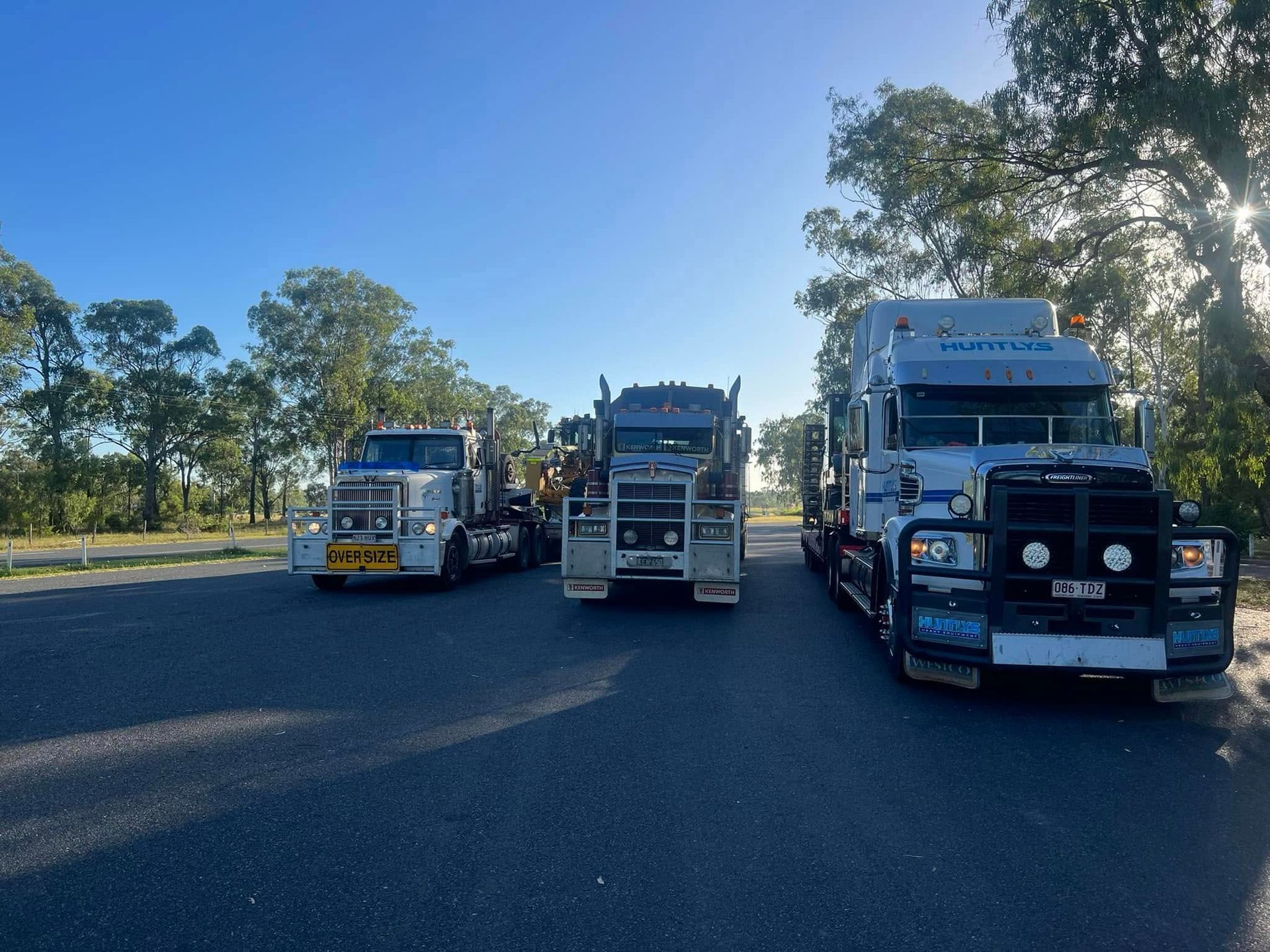
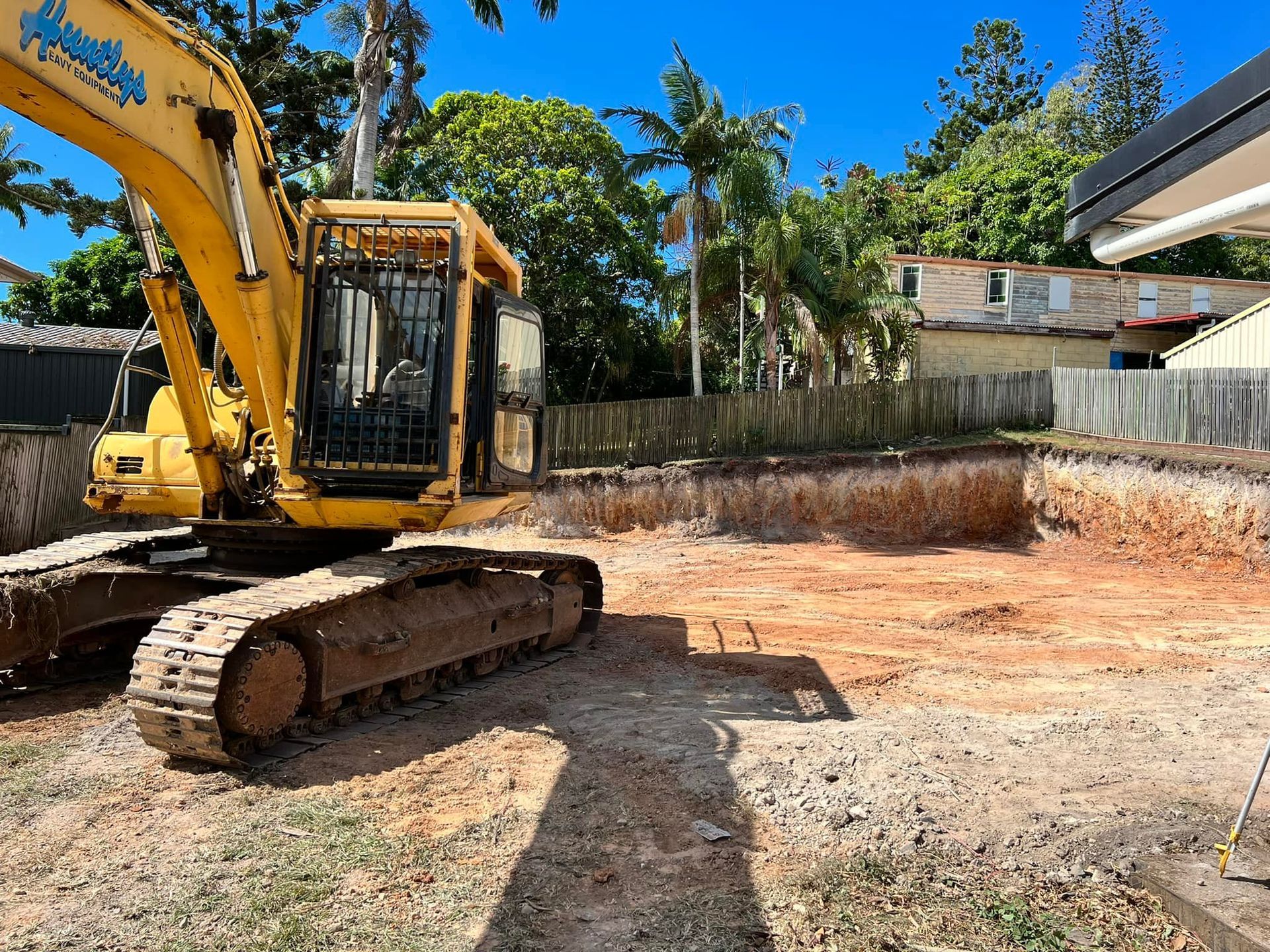
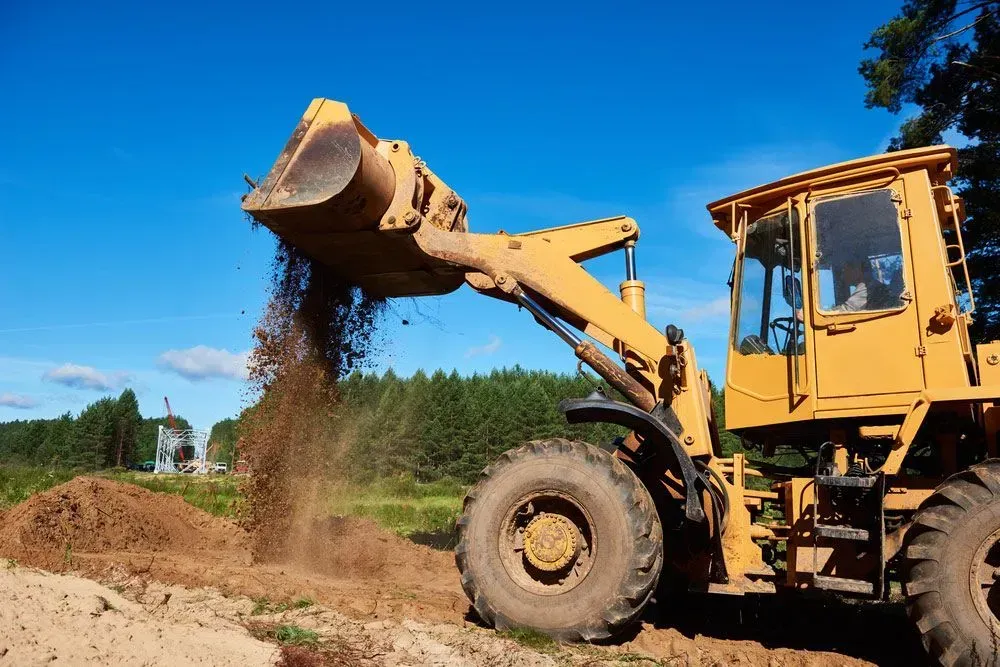
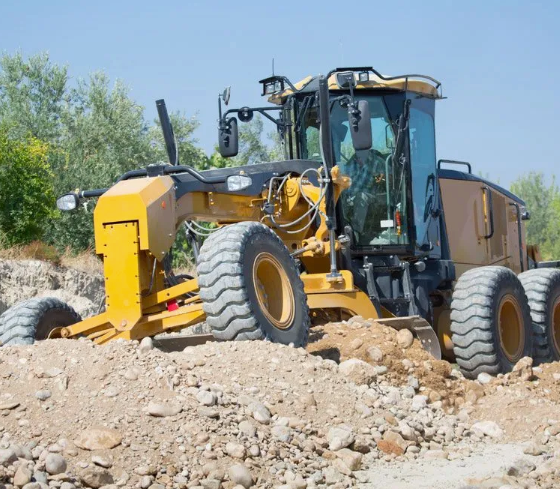
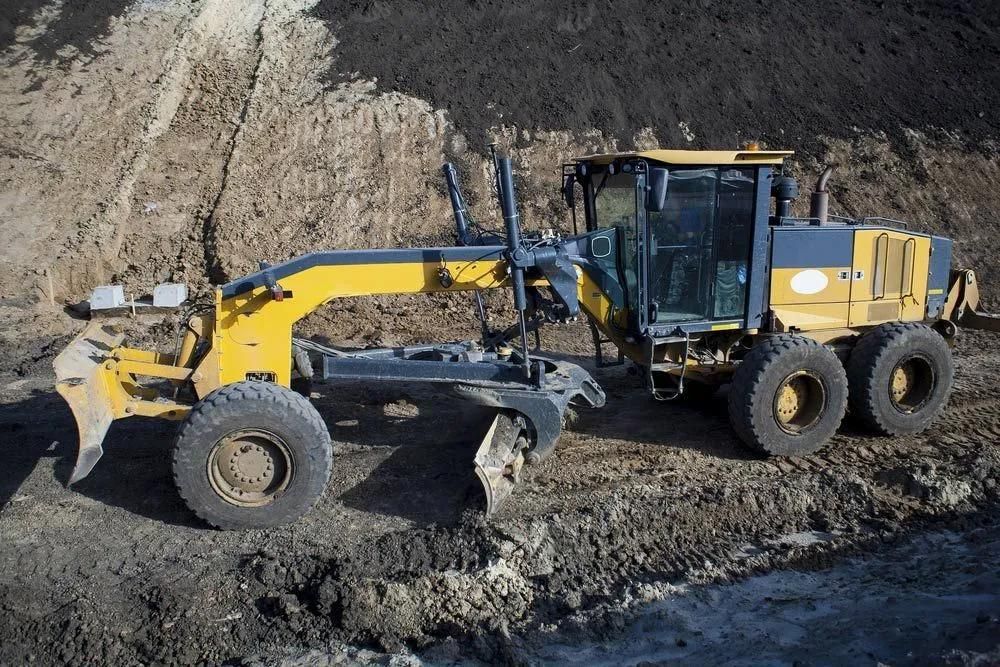
In Rockhampton, low loaders routinely move tracked excavators, dozers, graders, rollers, cranes, skid steers, loaders and oversized agricultural gear. Different low loader styles, such as detachable goosenecks or extendable decks, allow operators to match the trailer to the machine’s length and weight.
That versatility matters in Rockhampton, where a single contractor might work across mining support one week and civil or farming jobs the next. A local transport service that can handle multiple machine types keeps your logistics consistent and your scheduling simpler.
In Rockhampton, low loaders routinely move tracked excavators, dozers, graders, rollers, cranes, skid steers, loaders and oversized agricultural gear. Different low loader styles, such as detachable goosenecks or extendable decks, allow operators to match the trailer to the machine’s length and weight.
That versatility matters in Rockhampton, where a single contractor might work across mining support one week and civil or farming jobs the next. A local transport service that can handle multiple machine types keeps your logistics consistent and your scheduling simpler.
Compliance Isn’t Paperwork, It’s How Heavy Moves Stay Legal and Safe
Rockhampton heavy haulage is tightly regulated, and compliance is what keeps moves safe and uninterrupted. Low loader transport services don’t just drive the load. They handle the approvals and escort requirements that allow oversized machinery to travel legally.
A compliant Rockhampton move may involve:
Rockhampton operators who deal with these requirements every week understand how rules apply in real conditions, which helps avoid delays that can derail a tight construction, mining or agricultural schedule.
A compliant Rockhampton move may involve:
- Oversize and overweight permits lodged and approved before departure
- Travel windows chosen to meet Rockhampton traffic and permit rules
- Pilot or escort vehicles where mandated
- Clear radio communication between all vehicles
- Documentation ready for roadside checks
Rockhampton operators who deal with these requirements every week understand how rules apply in real conditions, which helps avoid delays that can derail a tight construction, mining or agricultural schedule.
Faster Loading and Unloading Means Less Downtime on Site
Downtime is expensive no matter where you are. If a machine arrives late or takes hours to load and unload, crews sit idle and project costs climb. Low loaders reduce delays because they’re built for quick and safe access.
Many Rockhampton low loaders have ramp setups that reduce approach angles for tracked equipment. Detachable gooseneck models let machines drive straight onto the deck without steep climbs. Winching options help when gear can’t move under its own power.
For Rockhampton sites, that means a transport crew can arrive, load efficiently, secure properly and roll out without disrupting the worksite. On delivery, smooth unloading gets the machine back to work faster, which is exactly what tight local timelines demand.
Many Rockhampton low loaders have ramp setups that reduce approach angles for tracked equipment. Detachable gooseneck models let machines drive straight onto the deck without steep climbs. Winching options help when gear can’t move under its own power.
For Rockhampton sites, that means a transport crew can arrive, load efficiently, secure properly and roll out without disrupting the worksite. On delivery, smooth unloading gets the machine back to work faster, which is exactly what tight local timelines demand.
Route Surveys and Timing Choices Can Prevent Expensive Surprises
Rockhampton routes for heavy machinery aren’t always predictable. Even a familiar run can change with roadworks, weather damage or access restrictions at site entrances. Low loader services that do proper route surveys reduce the chance of nasty surprises mid-trip.
A strong Rockhampton planning process includes:
This kind of prep keeps Rockhampton deliveries moving on schedule and avoids the costly delays that happen when a load has to stop and reroute unexpectedly.
A strong Rockhampton planning process includes:
- Checking clearances, turning space and shoulder strength ahead of time
- Mapping alternate Rockhampton routes if conditions change
- Timing departures to align with permit limits and site access windows
- Coordinating with Rockhampton project managers for smooth handover
- Planning contingencies for wet weather or breakdowns
This kind of prep keeps Rockhampton deliveries moving on schedule and avoids the costly delays that happen when a load has to stop and reroute unexpectedly.
Local Operators Understand Terrain, Access and Industry Timelines Better Than Outsiders
Rockhampton low loader transport works best when the crew knows the area. Local operators understand which routes handle heavy loads reliably, where tight turns are hiding and how different Rockhampton sites manage access. That knowledge saves time and lowers risk.
Local experience also means understanding Rockhampton industry rhythms. Construction projects shift quickly, mining windows can be strict and agricultural deliveries are often locked to seasonal needs. A Rockhampton-based team is more likely to anticipate these pressures and adjust schedules without drama.
When your transport provider truly knows Rockhampton conditions, the move feels simpler. Fewer surprises, faster problem-solving and a better chance your machinery lands exactly when the job needs it.
Local experience also means understanding Rockhampton industry rhythms. Construction projects shift quickly, mining windows can be strict and agricultural deliveries are often locked to seasonal needs. A Rockhampton-based team is more likely to anticipate these pressures and adjust schedules without drama.
When your transport provider truly knows Rockhampton conditions, the move feels simpler. Fewer surprises, faster problem-solving and a better chance your machinery lands exactly when the job needs it.
A Good Low Loader Job Finishes With Your Machine Ready to Work, Not Needing Repairs
A successful low loader job is measured at delivery. The machine needs to arrive safe, intact and ready to start work. Low loaders lower stress on equipment, but careful handling is what protects your investment.
Quality low loader transport in Rockhampton typically includes:
When a Rockhampton transport provider handles these details properly, your equipment returns to work straight away instead of sitting in a yard waiting for repairs.
If you need low loader transport for heavy equipment in Rockhampton, working with a local team can make every stage easier, from permits and route planning to site access and delivery timing. Here at Huntlys Heavy Equipment, we provide low loader haulage for Rockhampton construction, mining and agricultural machinery, including securement, compliance management and end-to-end logistics. Visit https://www.tropicaltreesolutions.com/ or contact us to book your next Rockhampton machinery move and keep your project running smoothly.
Quality low loader transport in Rockhampton typically includes:
- Loading methods that avoid track, tyre and attachment damage
- Securement checks to control vibration and movement
- Transit monitoring for early issue detection
- Insurance cover suited to high-value Rockhampton plant moves
- Delivery handover checks so problems are spotted immediately
When a Rockhampton transport provider handles these details properly, your equipment returns to work straight away instead of sitting in a yard waiting for repairs.
If you need low loader transport for heavy equipment in Rockhampton, working with a local team can make every stage easier, from permits and route planning to site access and delivery timing. Here at Huntlys Heavy Equipment, we provide low loader haulage for Rockhampton construction, mining and agricultural machinery, including securement, compliance management and end-to-end logistics. Visit https://www.tropicaltreesolutions.com/ or contact us to book your next Rockhampton machinery move and keep your project running smoothly.

January 6, 2026
Earthmoving is one of the most regulated stages of any construction, civil, mining or agricultural project. While it may appear to be a straightforward process of clearing, excavating or levelling land, earthworks have far-reaching impacts on safety, drainage, environmental stability and surrounding infrastructure. In Rockhampton, strict permit and compliance requirements apply to ensure these impacts are properly managed. For developers, builders and project managers, understanding local earthmoving regulations is essential to avoiding delays, penalties and costly rework. This guide outlines the key permits, approvals and compliance considerations involved during earthmoving in Rockhampton, and explains why engaging experienced local contractors is the most reliable way to keep projects on track. Why Earthmoving Is Heavily Regulated Earthmoving changes the natural landscape and can affect water flow, soil stability and nearby structures. Poorly managed excavation or filling works can lead to erosion, flooding, subsidence or damage to public assets such as roads and underground services. Regulations exist to: Protect workers and the public from excavation hazards Prevent environmental damage and sediment runoff Maintain safe drainage and flood management Safeguard existing infrastructure and utilities Ensure developments comply with planning controls Because earthworks form the foundation of a project, compliance at this stage directly impacts everything that follows. Council Approvals and Development Permits In Rockhampton, most earthmoving works require council approval, particularly when associated with construction or land development. The level of approval depends on the scale, location and purpose of the works. Common approvals include: Development approvals for site preparation Operational works permits for excavation and filling Earthworks permits for cut-and-fill operations Driveway and access approvals where machinery interacts with roads Council oversight ensures works align with zoning, land use planning and infrastructure protection requirements. Operational Works and Cut-and-Fill Compliance Operational works approvals are often required when earthmoving alters land contours or involves importing or exporting material. These approvals typically assess how works will affect drainage, neighbouring properties and site stability. Compliance requirements may include: Maximum allowable cut or fill depths Compaction standards Finished ground level tolerances Engineering certification Failure to meet these standards can result in rectification orders or refusal of further construction approvals. Environmental Protection and Sediment Control One of the most critical regulatory areas for earthmoving is environmental protection. Exposed soil can quickly wash into waterways during rainfall, especially in Queensland’s climate. Projects must implement erosion and sediment control measures such as: Sediment fences and barriers Stabilised access points Temporary drainage controls Progressive site stabilisation Environmental non-compliance can attract significant fines and remediation costs, making this a priority area for all earthmoving services in Rockhampton. Workplace Health and Safety Requirements Earthmoving sites are classified as high-risk workplaces under Queensland legislation. Excavation collapse, machinery interaction and ground instability are major hazards. Key safety obligations include: Ensuring operators are appropriately licensed and trained Implementing safe excavation and trenching practices Establishing exclusion zones around machinery Conducting regular site risk assessments Professional contractors are responsible for maintaining safe systems of work and complying with all WHS obligations. Underground Services and Utility Protection Before excavation begins, all underground services must be identified and protected. Damage to utilities can result in serious safety incidents, service outages and legal liability. Compliance involves: Conducting Dial Before You Dig searches Verifying service locations onsite Using non-destructive digging methods near services Maintaining safe separation distances Experienced earthmoving contractors in Rockhampton understand how to manage service protection efficiently and safely. Traffic Management and Road Use Permits Earthmoving projects that involve heavy machinery accessing or crossing public roads often require traffic management approval. This is particularly relevant for civil and commercial developments. Requirements may include: Traffic management plans Temporary signage and barriers Approved access points and haul routes Traffic controls protect workers, road users and nearby properties while maintaining compliance with transport regulations. Mining and Agricultural Earthmoving Considerations Mining and agricultural earthworks often involve larger land areas and additional regulatory oversight. These projects may require compliance with land rehabilitation plans, biosecurity requirements and environmental monitoring. Key considerations include: Managing long-term land stability Protecting surrounding land uses Safe movement of large machinery Compliance with industry-specific standards Local expertise is essential when navigating these sector-specific requirements. The Risks of Non-Compliance Non-compliance with earthmoving permits and regulations can have serious consequences for projects and businesses. Risks include: Stop-work notices and project shutdowns Financial penalties and infringement notices Delays to construction schedules Increased remediation and rework costs Reputational damage and future approval difficulties In some cases, non-compliance can also expose directors and managers to legal liability. Why Local Experience Makes a Difference Earthmoving regulations are not applied uniformly across Queensland. Local council processes, soil conditions and drainage patterns vary significantly by region. Local contractors bring: Familiarity with Rockhampton Regional Council requirements Understanding of local soil types and flood behaviour Established relationships with regulators and engineers Faster, more efficient approval processes This local knowledge reduces compliance risk and helps projects progress smoothly. How Professional Contractors Streamline Compliance Engaging professional earthmoving services in Rockhampton ensures regulatory requirements are addressed from the earliest planning stages. Experienced contractors assist with: Interpreting permit and approval requirements Coordinating engineering and environmental documentation Implementing compliant site controls Managing inspections and reporting Rather than reacting to compliance issues, professional teams proactively prevent them. Planning Earthworks for Project Success Successful earthmoving projects balance efficiency with compliance. Early planning and professional oversight help prevent delays and cost overruns. Best practices include: Confirming permit requirements before mobilisation Conducting thorough site and soil assessments Implementing safety and environmental controls from day one Maintaining clear communication between stakeholders This structured approach protects timelines and budgets. Final Thoughts Earthmoving permits and regulations in Rockhampton are complex but essential. They protect people, property and the environment while ensuring developments proceed safely and sustainably. For construction, civil, mining and agricultural projects, working with experienced local professionals ensures earthmoving works in Rockhampton are completed efficiently, safely and in full compliance with regulatory requirements. Compliant Earthmoving Services in Rockhampton At Huntlys Heavy Equipment , our professional earthmoving services in Rockhampton are delivered with a strong focus on safety, regulatory compliance and operational efficiency. With extensive local experience, we support smooth approvals, responsible site management and reliable project delivery. If your project requires expert earthmoving backed by deep regulatory knowledge, contact Huntlys Heavy Equipment to discuss your requirements with confidence.

September 8, 2025
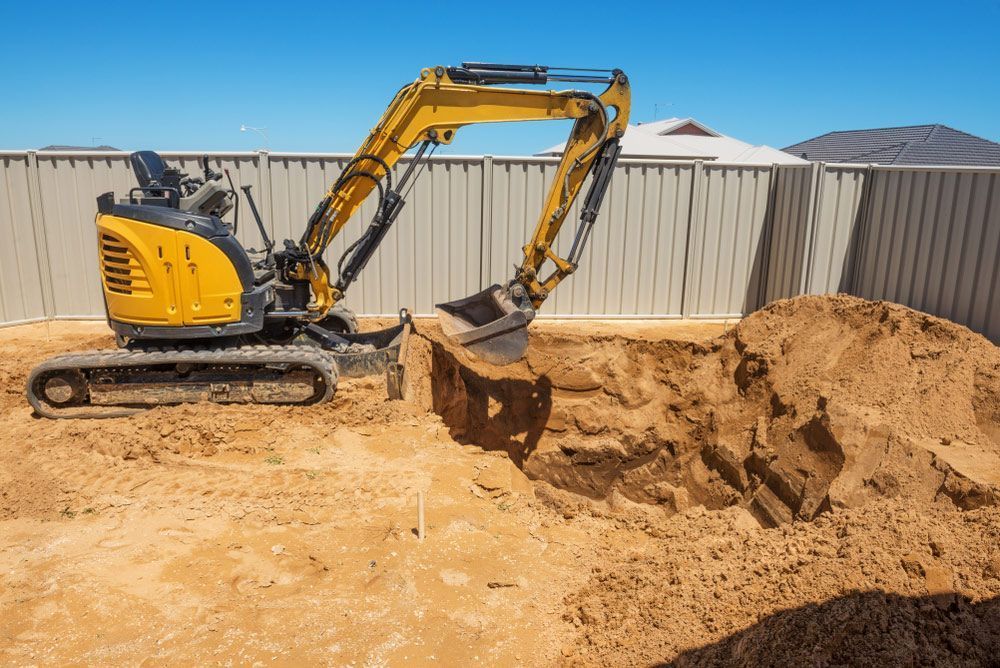
When undertaking any construction project—whether a commercial development, residential subdivision, or large-scale infrastructure—the groundwork sets the tone for everything that follows. Excavation is one of the first major activities on site, and it plays a critical role in determining the long-term success, safety, and cost-effectiveness of a build. While cutting corners with cheaper or less experienced contractors may be tempting, investing in professional excavation is a smart move. It ensures that site preparation is done to a high standard, risks are minimised, and the project proceeds smoothly. Below are eight compelling reasons professional excavation is essential for your next construction project.