The Role Of Excavation Contractors In Drainage & Flood Prevention

Huntlys Heavy Equipment • May 26, 2026

Heavy rainfall can turn a perfectly stable property into a muddy, waterlogged mess within hours. Pooled water around foundations, overflowing drains and eroded soil often begin long before construction is complete.


In many cases, the issue comes down to what happens beneath the surface. Proper excavation work shapes the way water moves across a site, influencing everything from drainage efficiency to long-term flood prevention. That’s why excavation contractors play such an important role in preparing land for homes, commercial builds and civil projects.


From trenching and grading to water diversion and site preparation, excavation specialists help create safer, more functional spaces that can handle changing weather conditions. For anyone planning a construction project, understanding the connection between excavation and stormwater management can help avoid expensive repairs and future headaches.

Understanding How Water Behaves on a Construction Site

Every block of land reacts differently to rainfall. Soil type, slope, vegetation and existing drainage systems all influence how water flows and where it collects. Before construction begins, excavation contractors assess the site to determine how water is likely to behave during both average rainfall and heavy storm events.


Without proper preparation, water can quickly become destructive. Saturated soil may shift, foundations can weaken and access roads may deteriorate over time. This is where careful excavation planning becomes essential.


Common factors contractors assess include:


  • Natural land grading & slope direction
  • Soil stability & drainage capability
  • Existing stormwater flow paths
  • Low-lying areas prone to pooling
  • Nearby waterways or flood-prone zones


Excavation in Rockhampton often involves planning around seasonal rain events and varying soil conditions. A properly prepared site reduces the likelihood of erosion and standing water once construction is underway.

Site Grading Shapes the Direction of Stormwater

One of the most effective flood prevention methods starts with reshaping the land itself. Site grading involves adjusting soil levels and slopes to encourage water to flow away from structures rather than towards them.


Even a slight grading issue can create major drainage problems later. Water naturally follows the path of least resistance, which means uneven surfaces can direct stormwater straight towards buildings, retaining walls or access points.


Excavation contractors use specialised machinery to create controlled gradients across a site. Depending on the project, grading may support residential developments, commercial premises or large-scale civil works.


Benefits of proper site grading include:


  • Reduced water pooling around foundations
  • Improved surface drainage during storms
  • Better protection for driveways & hard surfaces
  • Lower risk of soil erosion
  • Improved longevity of landscaping & structures


Excavation Rockhampton projects often require careful grading to account for intense rainfall periods that place pressure on poorly designed drainage systems.

Installing Subsurface Drainage Systems

Not all drainage solutions are visible from the surface. Subsurface drainage systems work underground to redirect excess water before it can damage structures or saturate soil.


Excavation contractors are responsible for trenching and preparing the ground for these systems. This work requires precision because incorrect depths or poor placement can affect the entire drainage network.


Several types of underground drainage solutions are commonly installed during excavation projects, including:


  • Agricultural drainage pipes
  • French drains
  • Stormwater pits and piping
  • Gravel drainage trenches
  • Retention and detention systems


Subsurface drainage is especially important on sites with clay-heavy soils or poor natural runoff. Excavation in Rockhampton frequently involves creating drainage pathways that can manage sudden downpours without overwhelming the surrounding land.

Preventing Soil Erosion During & After Construction

Uncontrolled water movement can strip away soil surprisingly fast. Once erosion begins, it can undermine footings, damage landscaping and create unsafe working conditions on active construction sites.


Excavation contractors use a range of techniques to stabilise soil and minimise erosion risks throughout the project lifecycle. These measures often begin before machinery even enters the site.


Erosion control strategies may include:


  • Building temporary drainage channels
  • Installing sediment barriers
  • Compacting vulnerable areas
  • Shaping slopes to slow water runoff
  • Using rock or gravel to reinforce exposed surfaces


Good erosion control doesn’t just protect the immediate site. It also helps prevent sediment from entering nearby stormwater systems and waterways, which can create environmental concerns.


Excavation Rockhampton services often involve managing erosion risks during wetter months when exposed earth becomes more vulnerable to runoff damage.

Retention Basins Help Manage Heavy Rainfall

In areas prone to sudden rainfall, retention and detention basins play a valuable role in controlling stormwater. These engineered features temporarily hold water and release it gradually, reducing pressure on drainage systems and surrounding land.


Excavation contractors are heavily involved in the construction of these basins. The process involves digging, shaping and compacting large sections of land to precise specifications.


Retention systems can assist with:


  • Slowing stormwater runoff
  • Reducing downstream flooding
  • Preventing erosion around drains
  • Managing overflow during major storms
  • Supporting environmental compliance requirements


These systems are commonly used in commercial developments, industrial sites and civil infrastructure projects where large surface areas generate significant runoff during rainfall.

Excavation Equipment Makes Drainage Work More Efficient

Drainage and flood prevention projects rely heavily on specialised equipment. Excavation contractors use different machinery depending on the scale of the site and the type of work required.


Modern excavation fleets allow contractors to complete drainage preparation accurately and efficiently while minimising disruption to surrounding areas.


Common machinery used for drainage-related excavation includes:


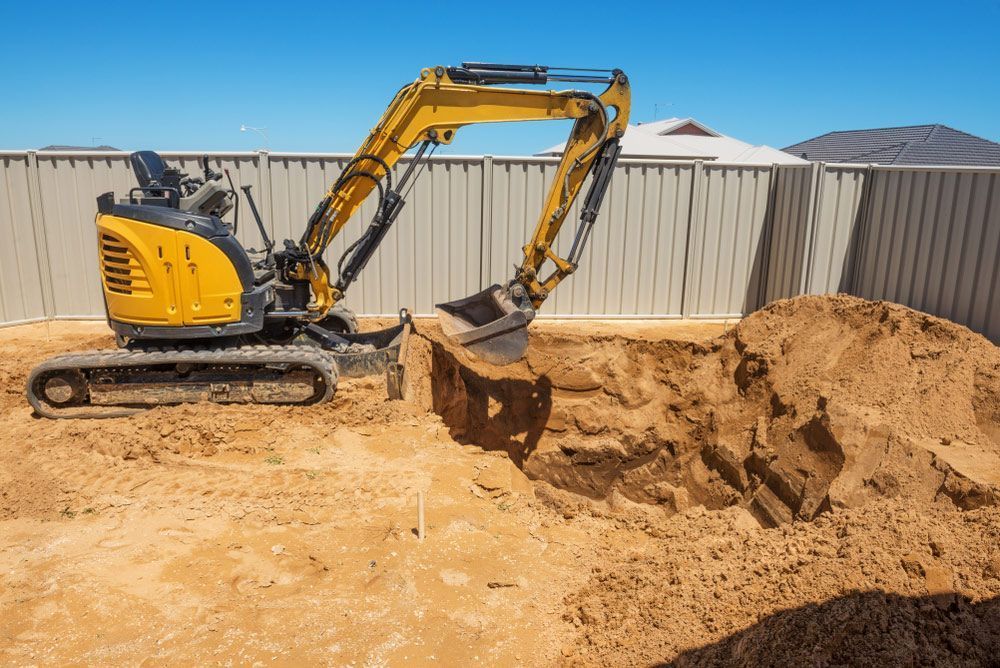
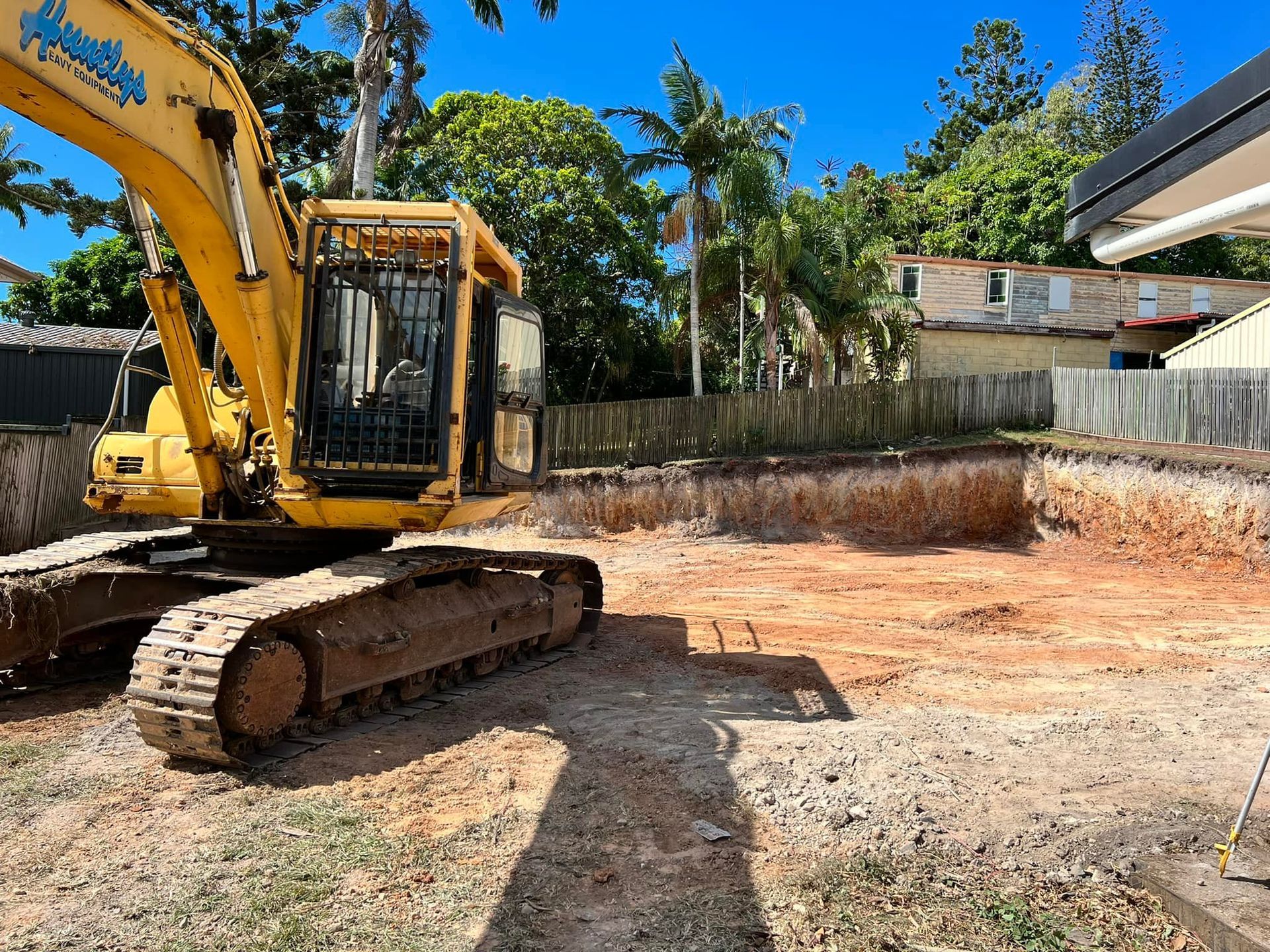
  • Excavators for trenching & earthmoving
  • Water carts for dust suppression & soil preparation
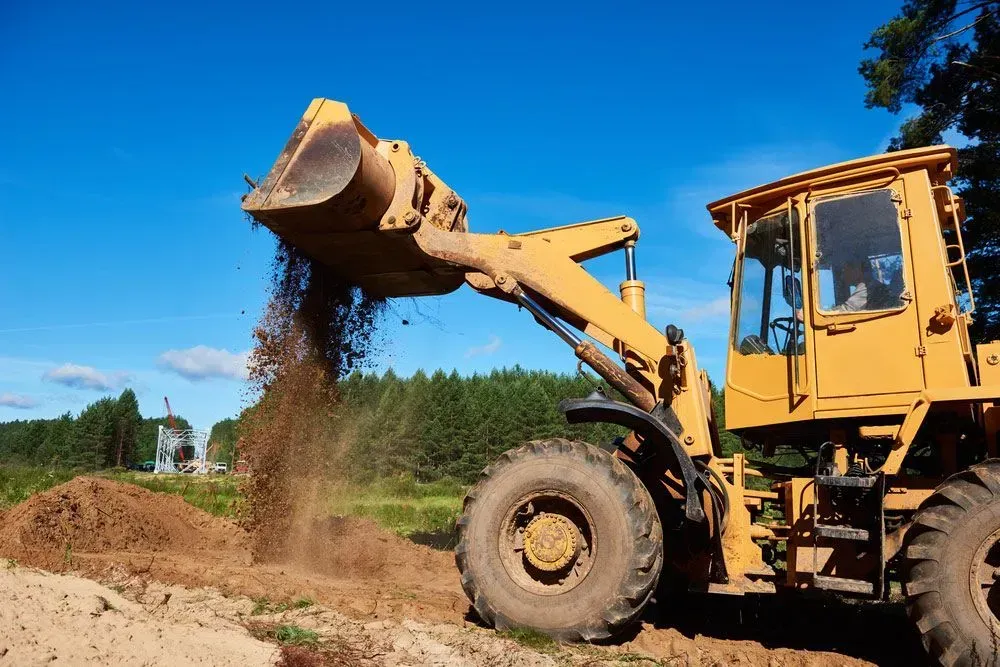
  • Loaders for material handling
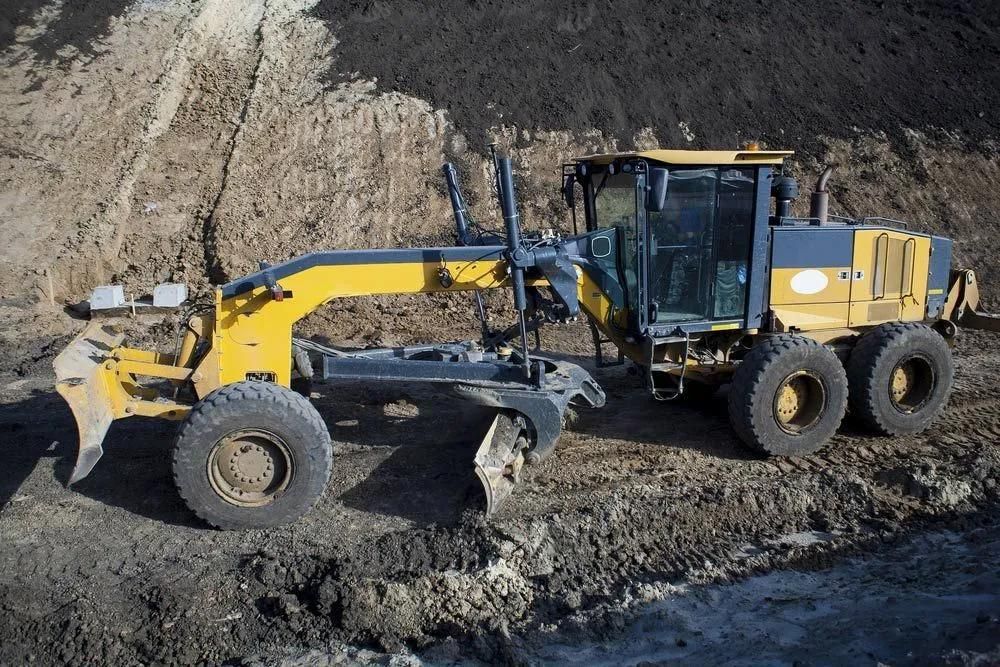
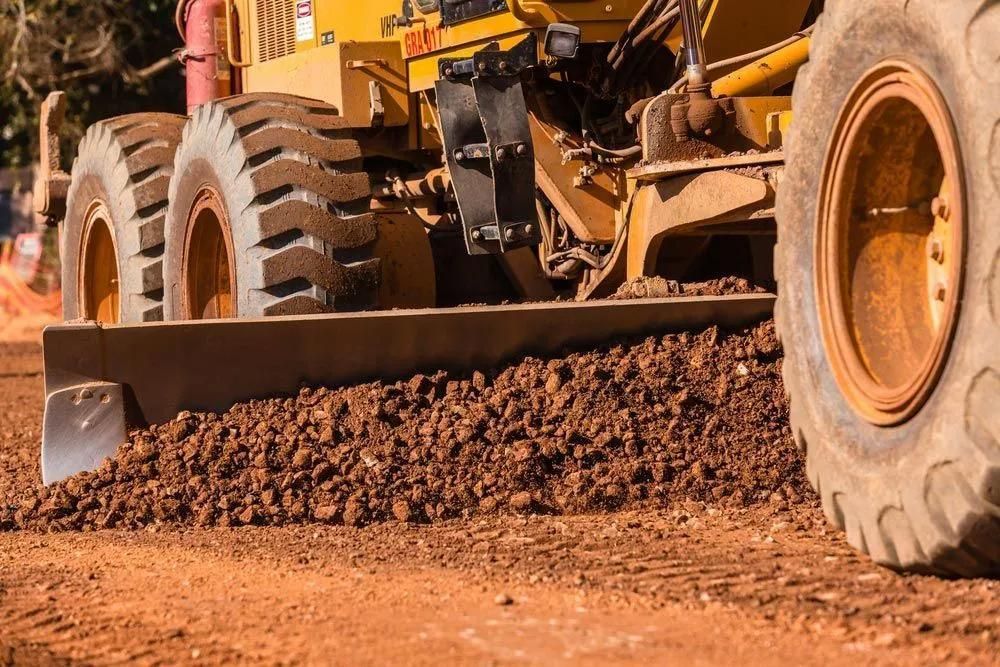
  • Graders for surface shaping
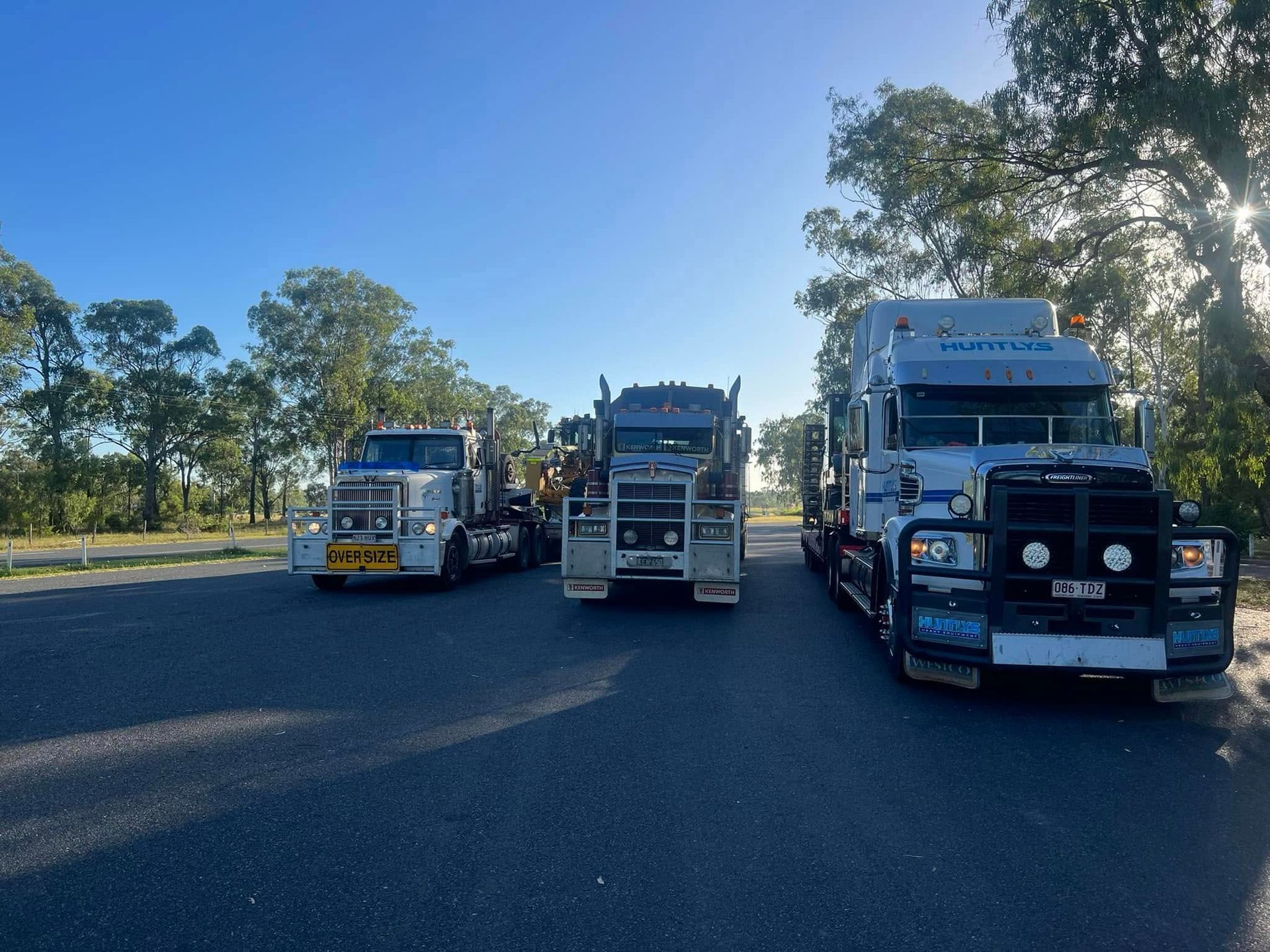
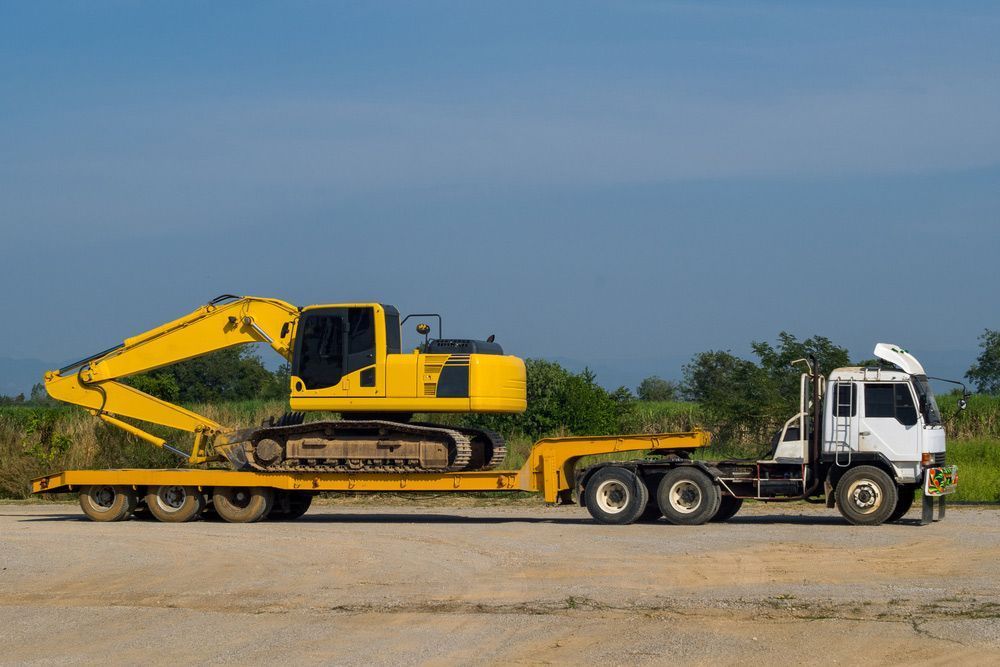
  • Heavy haulage vehicles for transporting machinery & materials


Having access to the right equipment helps ensure drainage infrastructure is installed correctly from the beginning. Excavation in Rockhampton often requires adaptable machinery capable of handling both residential sites and large civil works across varied terrain.

Why Excavation Expertise Matters More Than General Construction Knowledge

Drainage planning is far more technical than many people realise. While general builders manage overall construction, excavation contractors bring specialised knowledge about land movement, soil conditions and water behaviour.


An experienced excavation team understands how small changes to site preparation can affect long-term drainage performance. This knowledge becomes particularly important in flood-prone regions where poor water management may lead to structural damage over time.


Professional excavation contractors typically assist with:


  • Site assessments before construction
  • Drainage trench design & placement
  • Soil movement & compaction
  • Flood mitigation earthworks
  • Stormwater infrastructure preparation


Choosing a contractor with drainage experience can help avoid expensive remediation work later. Excavation Rockhampton projects benefit from careful planning that considers both immediate construction needs and future weather impacts.

Long-Term Flood Prevention Starts Before Construction Begins

Flood prevention doesn’t begin once the building is complete. It starts during the earliest stages of site preparation. Proper excavation creates the foundation for every drainage system that follows, influencing how effectively a property handles water years into the future.


Cutting corners during excavation can lead to persistent drainage problems that become increasingly costly over time. Water damage often develops gradually, making early planning one of the most important investments in any construction project.


Effective excavation planning supports:


  • Stable foundations & footings
  • Safer access roads & driveways
  • Reduced maintenance costs
  • Better stormwater control
  • Improved site usability after rainfall


Whether it’s a residential development, commercial build or civil project, the groundwork completed by excavation contractors plays a direct role in protecting structures from water-related damage.

Protect Your Site with Proper Excavation Planning

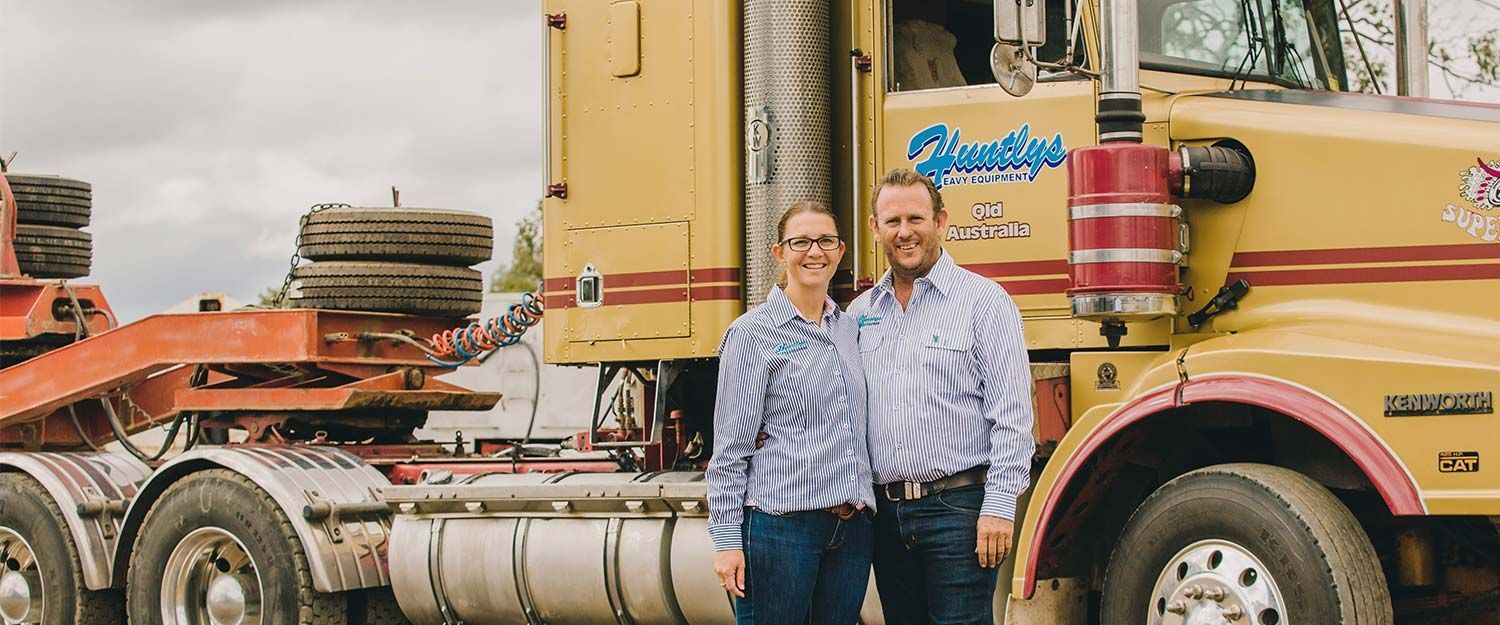
We at Huntlys Heavy Equipment understand the challenges that heavy rainfall and changing ground conditions can create for construction projects across Rockhampton. Our team provides excavation, machine hire, water cartage and heavy haulage services to help prepare sites for reliable drainage and long-term flood prevention. If you’re planning a project and want practical support with site preparation and stormwater management, contact us today to discuss your requirements.

A small yellow excavator digging a trench in a sandy yard with a metal fence and houses in the back.
By Huntlys Heavy Equipment April 17, 2026
When a site needs clearing, levelling or reshaping, the quality of the groundwork sets the tone for everything that follows. Whether it is a new build...
Excavator On The Field Near Houses
By Huntlys Heavy Equipment February 18, 2026
Plan your project with earthmoving in Rockhampton. Learn key steps, approvals and site preparation tips for smooth results. Read the guide today.
Yellow Front-end Loader Dumping Dirt on a Sunny Day — Huntlys Heavy Equipment in Gracemere, QLD
January 6, 2026
Stay compliant with Rockhampton earthmoving laws. Learn permits, council approvals, and regulations—avoid fines and delays. Read the guide now!
Yellow Excavator on a Flatbed Trailer Being Towed by a White Truck on a Dirt Road — Huntlys Heavy Equipment in Gracemere, QLD
December 9, 2025
Learn why low loader transport in Rockhampton offers safe, efficient, and reliable solutions for moving heavy equipment with ease. Read more today!
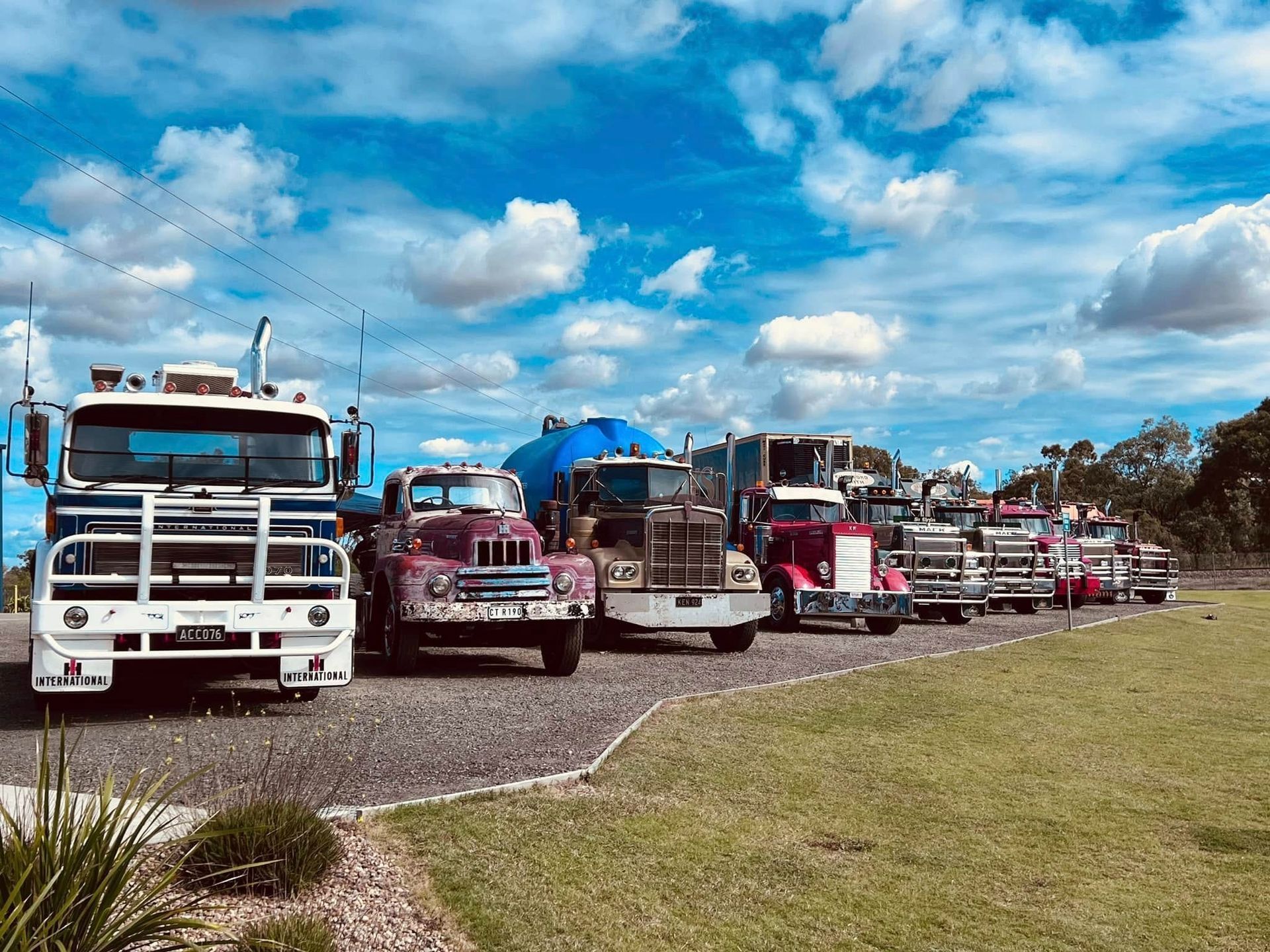
Line of Trucks Parked on Gravel, Under a Blue Sky With Clouds — Huntlys Heavy Equipment in Gracemere, QLD
November 3, 2025
Enhance efficiency with professional grader hire in Rockhampton. Achieve smooth, precise surfaces for your next project—book expert services today.
Yellow Excavator Digging a Hole in the Dirt Next to a Fence on a Sunny Day — Huntlys Heavy Equipment in Gracemere, QLD
September 8, 2025
Ensure a safe, stable build with expert excavation. Avoid costly mistakes, improve drainage, and protect your project—hire professionals today!

Yellow Road Grader Smoothing Dirt on a Construction Site — Huntlys Heavy Equipment in Gracemere, QLD
August 3, 2025
Understanding what types of graders are available is essential to knowing which is best for your upcoming project. Read on to learn more about it!
Yellow Excavator Dumping Soil in a Hilly, Outdoor Construction Site — Huntlys Heavy Equipment in Gracemere, QLD
July 24, 2025
Strong foundations start with excavation. Learn how proper digging enhances ground stability for large-scale builds. Read our full guide to get started!
Several Weathered Semi-trucks Parked Outdoors on a Gravel Lot Under a Sunny Sky — Huntlys Heavy Equipment in Gracemere, QLD
January 21, 2025
Ensure safe and efficient transport of machinery with expert low loader transport in Rockhampton. Get reliable heavy equipment transport solutions.