Excavator Hire Rates: What Drives the Cost of Your Quote
Excavator Hire Rates: The Quick Answer
Excavator hire rates depend on the machine class, operator, hours on site, transport and any attachments required. A low hourly figure may not mean a lower total cost if it excludes travel, float charges or spoil removal. To compare quotes fairly, look at the full job scope and ask what’s included.
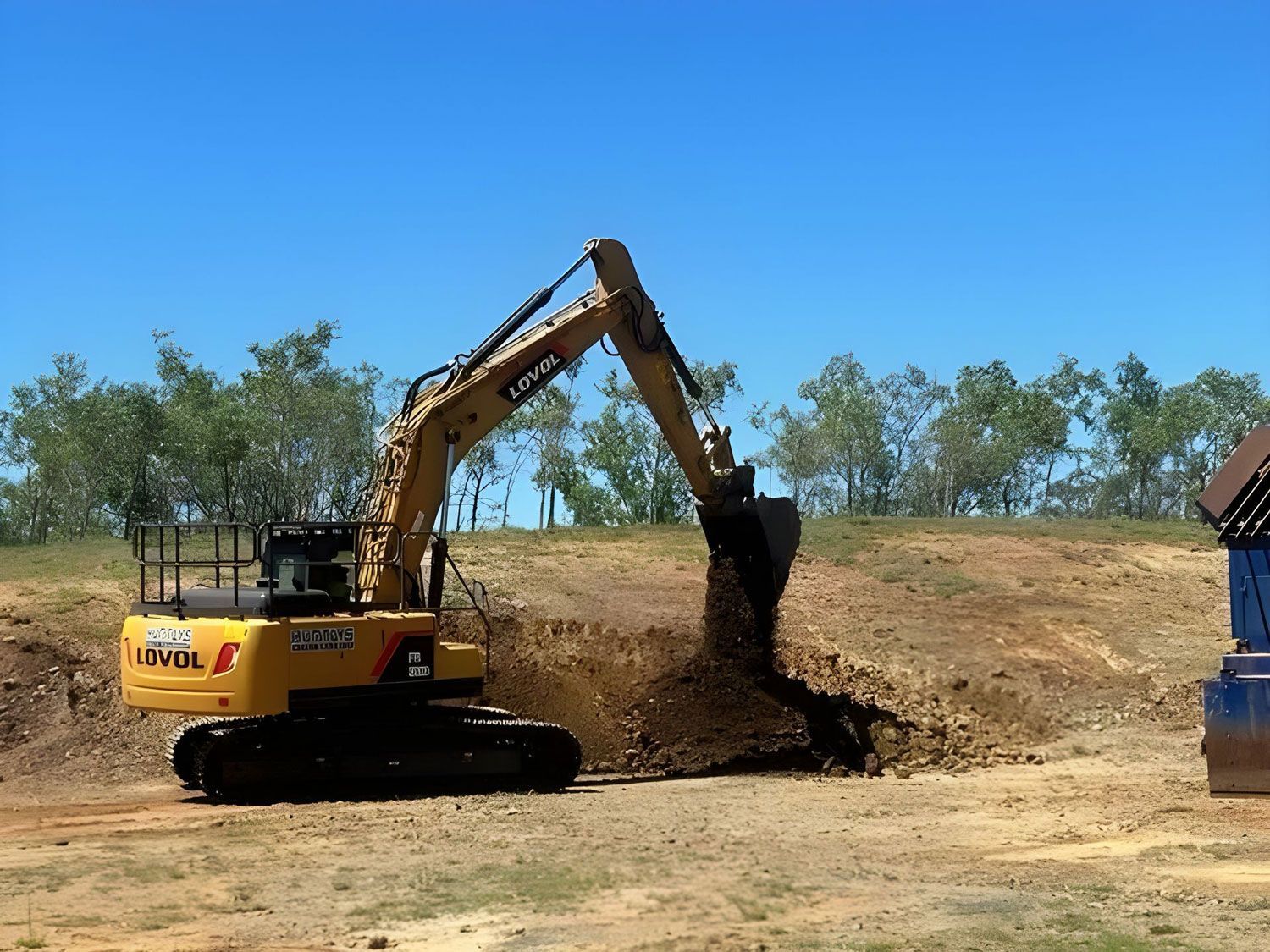
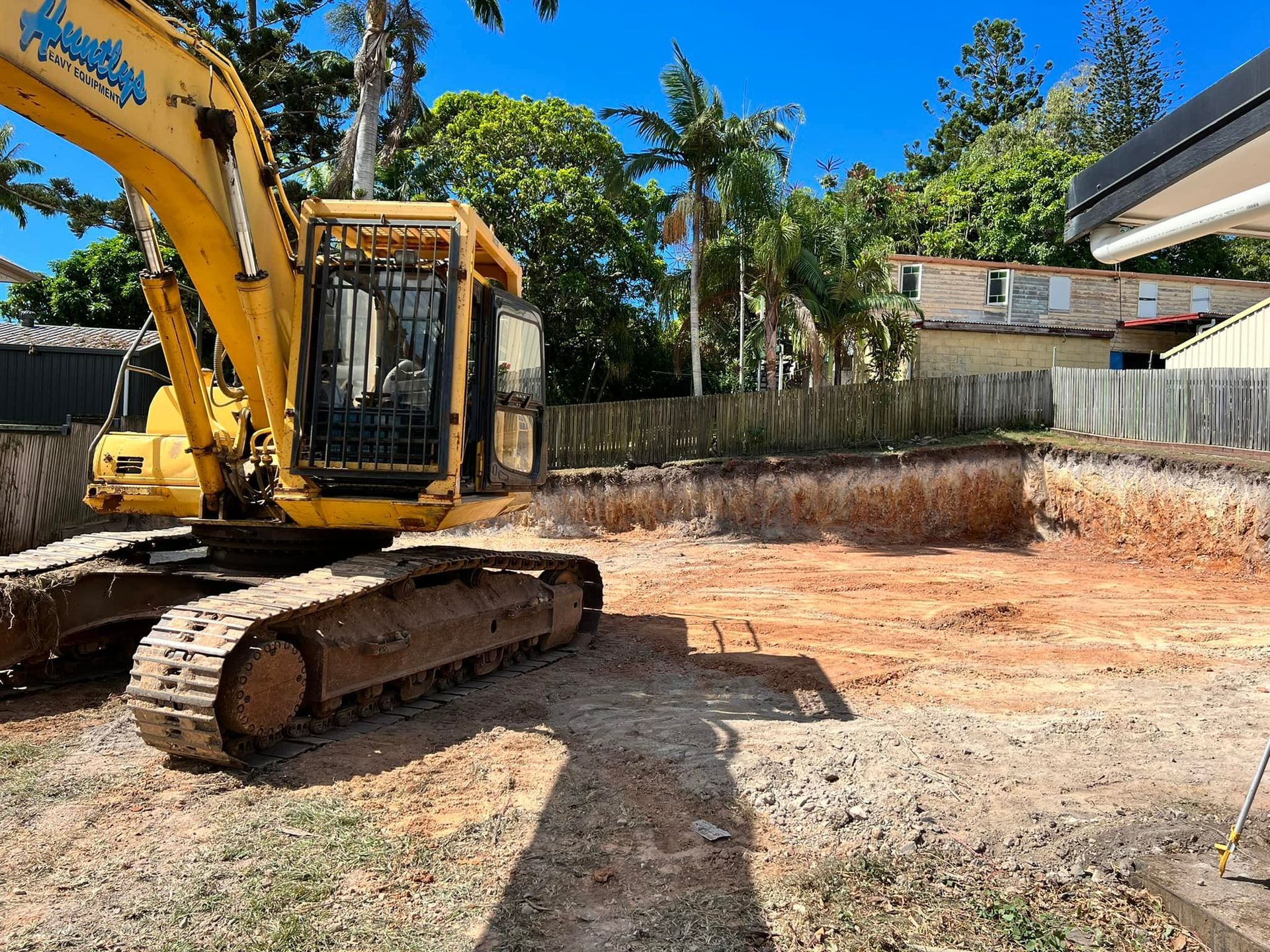
At Huntlys Heavy Equipment, we provide excavators on wet hire, with an experienced operator. We’re based in Gracemere and provide
excavation in Rockhampton, Yeppoon, Gladstone, the Central Highlands and beyond. Our services can be quoted alongside machinery transport, so you can discuss the dig and access requirements together.
How Much Does It Cost to Hire an Excavator per Day?
With wet hire excavators, the operator is included with the machine. You’re paying for the equipment and skilled operation, with the final quote shaped by the time and work involved. Depending on the job, a contractor may quote by the hour or by the day. Hourly billing can suit a clearly defined task, while a daily rate may be worth comparing when work is expected to run for most of the day.
Ask about minimum hire periods when requesting a quote. They can apply because moving machinery to site and preparing for work take time, even if the digging itself is brief. The minimum and billing method vary by provider, so confirm them rather than assuming an hourly rate tells the whole story.
Searching “how much to hire an excavator per day” can bring up rates from other regions and hire arrangements. Those figures may not include an operator, transport or the conditions on your site. The most useful comparison is between quotes based on the same scope, machine class, estimated hours and inclusions. For an overview of the decisions to make before work starts, see our guide to
earthmoving project planning.
How Does Machine Size Change the Hourly Rate?
The right machine depends on access, digging conditions and the volume of material to move. As a general guide, different size classes suit different kinds of work:
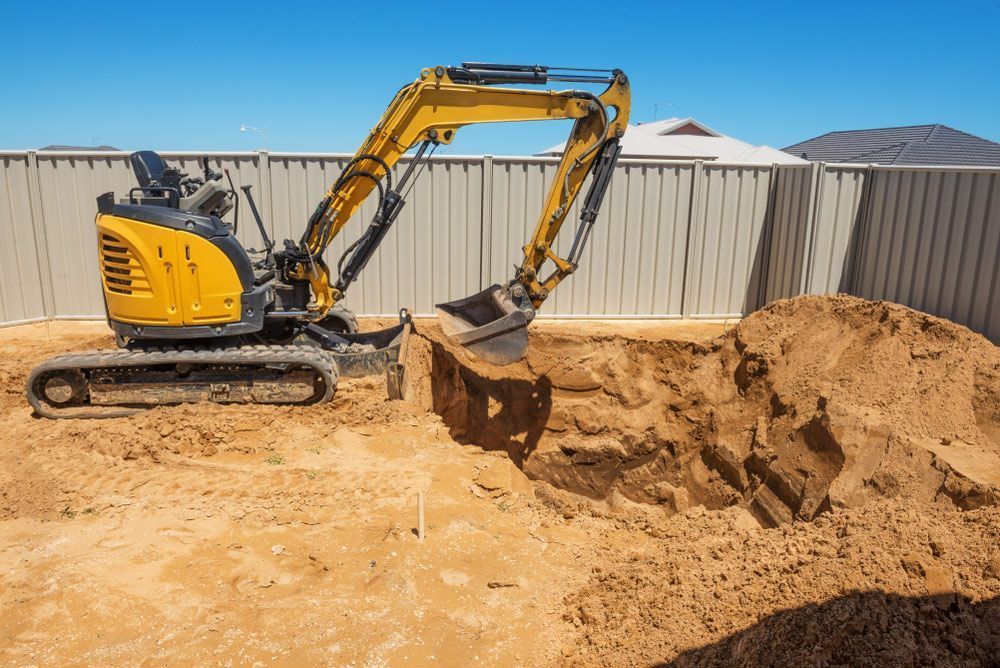
- Compact excavators can suit smaller jobs or restricted sites where access and working space are limited.
- Around 14 tonnes is a common class for house sites, trenching and farm work, where the job needs more capacity but site access still matters.
- Around 20 tonnes may suit larger excavations or projects with greater volumes to shift, provided the site can accommodate the machine.
- 30 tonnes and above may be considered for substantial earthmoving tasks, but access, ground conditions and the nature of the dig need to support that choice.
These are general examples, not a list of machines available from every hire company. Confirm what a provider can supply for your job. A larger excavator may move more material per hour, so a higher hourly rate doesn’t automatically mean a higher cost per cubic metre. But if it’s too large for the access or task, the extra capacity may not save time. Huntlys can discuss the machine class and site requirements when preparing a quote.
What Costs Do Cheap Quotes Leave Out?
A quote that looks inexpensive at first can leave important parts of the job unclear. Check whether it accounts for:
- Minimum hire hours: Ask how the hire period is calculated and whether travel or setup time is included.
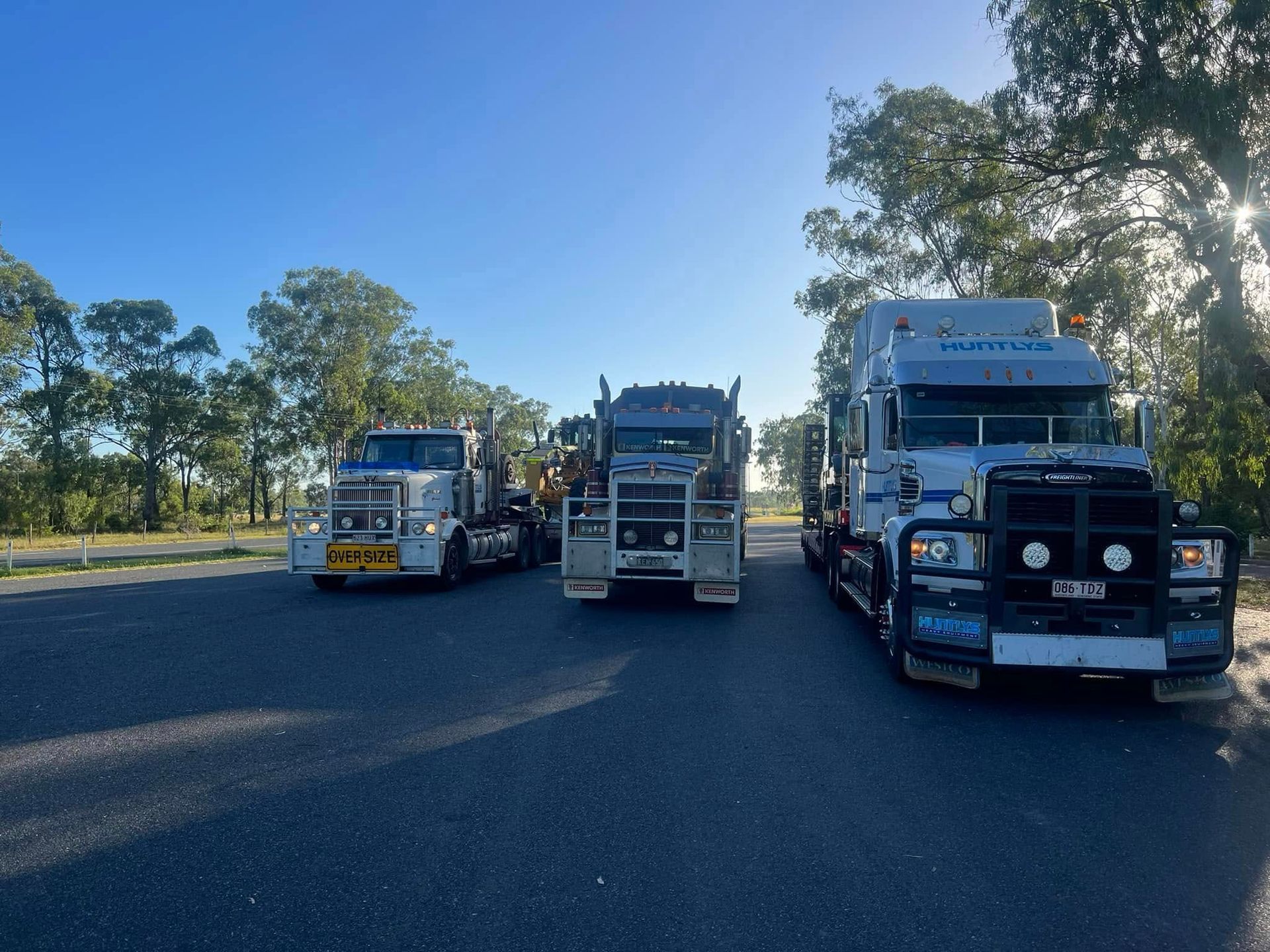
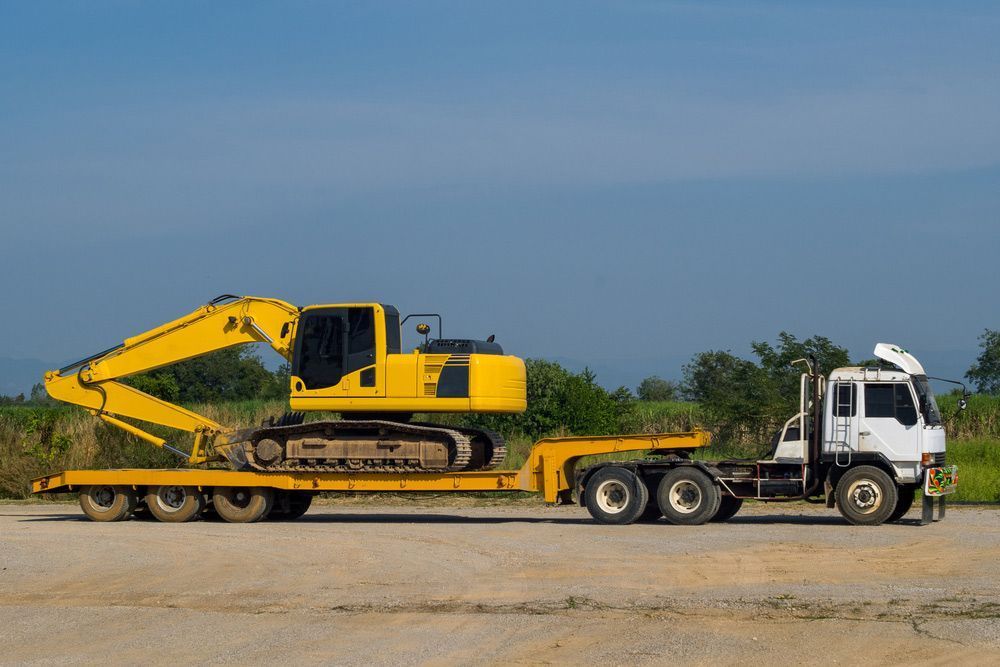
- Float charges: Machinery needs to reach the site. Huntlys operates its own float trucks, with a fleet capable of transporting machinery up to 52 tonnes, so transport and the dig can be considered together in one quote.
- Attachments: If your job may need an attachment such as a rock breaker, ask whether it is required, available and priced separately.
- Spoil removal and disposal: Confirm whether excavated material stays on site or needs to be carted away.
- Travel time: Check how distance from the depot or travel to the work area affects the quoted hours or charges.
For another part of the job, you may also need tipper truck hire. Ask the contractor to describe the quote’s inclusions and exclusions in writing. That makes it easier to compare like with like and reduces the chance of discovering a separate charge after work is underway.
How Do Black Clay Soils and Site Access Affect Dig Time?
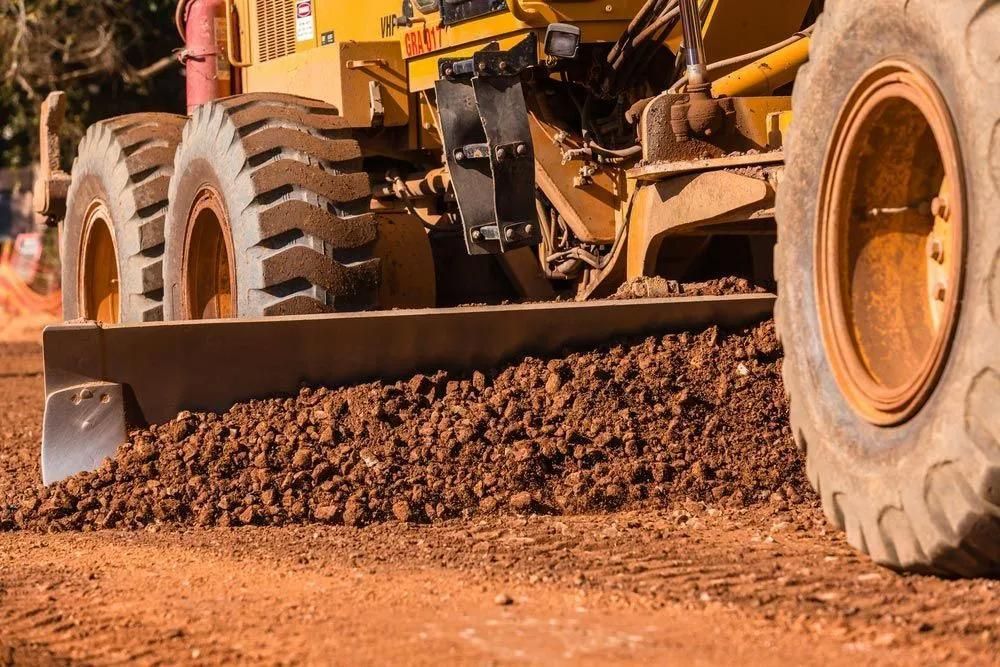
Central Queensland’s reactive black clay soils can add time to excavation. The ground may respond differently depending on moisture and site conditions, which can affect how the operator approaches the dig and how quickly material can be moved. On wet hire, extra time on site can flow directly into the hours billed.
Access matters too. Narrow entrances, soft ground, slopes, overhead obstructions or limited room to turn can affect the machine that can reach the work area and how it can be positioned. Share these details before booking, along with any known services or areas the operator must avoid. If the site is difficult to describe remotely, our team at Huntlys can arrange a site inspection before quoting.
What Should You Include When Asking for an Excavator Quote?
The more clearly you describe the job, the easier it is for a contractor to recommend a suitable setup. When requesting a quote, include:
- The job type, approximate size, depth and volume of material to move.
- Your preferred machine size, if you know it, or the intended task if you don’t.
- Site access details, including gates, slopes, soft ground and working space.
- Ground conditions, including known black clay or other challenging material.
- Whether excavated spoil needs to be removed and disposed of.
- Your expected start date, timeframe and working hours.
Ask for both hourly and daily pricing where applicable, and check how transport, operator time, attachments and spoil removal are treated. At Huntlys Heavy Equipment, we can discuss your job details or arrange a site inspection to help prepare a site-specific quote.
Contact us with your job size, access and ground conditions to get the conversation started.